Rethinking Orphanage Volunteering

At Time to Help (UK), our overseas volunteering programmes have always been shaped by a desire to serve communities with care, humility and respect.

Last year, while discussing the promotion of our overseas trips with a university, an important concern was raised around “orphanage volunteerism”. This term is often used to describe short-term volunteering experiences in orphanages or residential care settings which, when not carefully planned, may unintentionally place the experience of the volunteer ahead of the long-term wellbeing of the child.

Rather than dismissing the concern, we felt it was important to listen, learn and reflect.

Bringing Experts Together

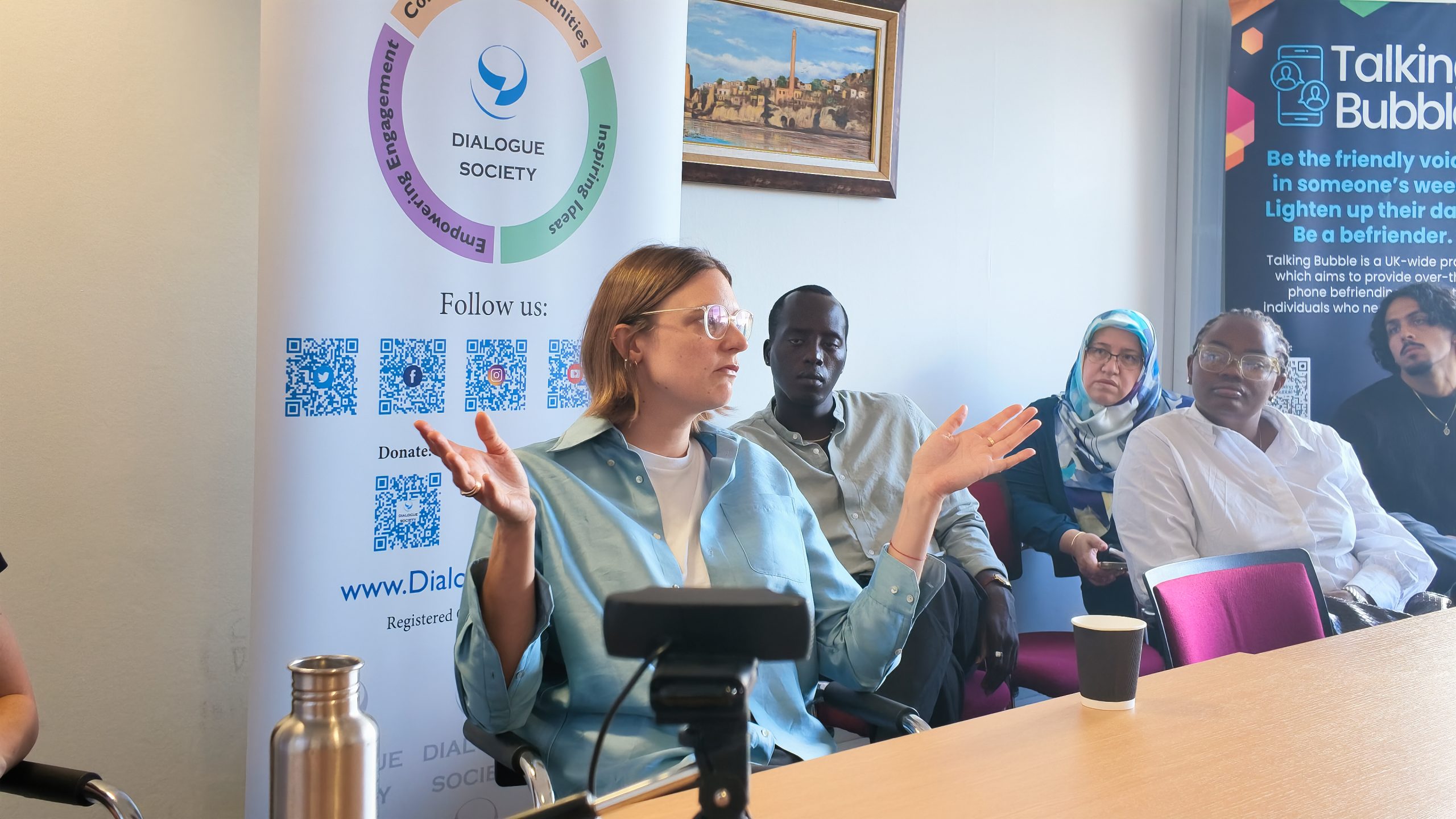
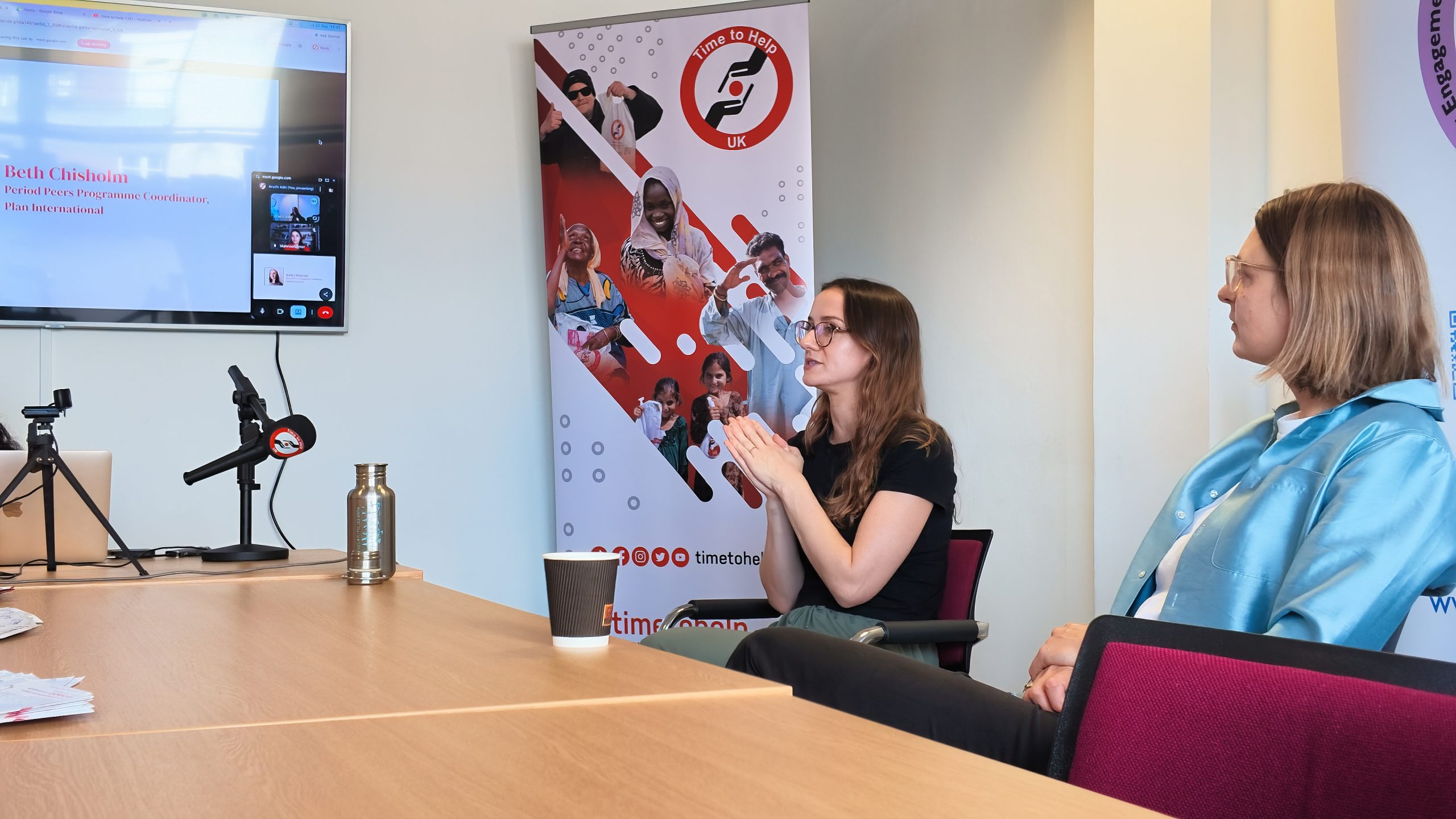
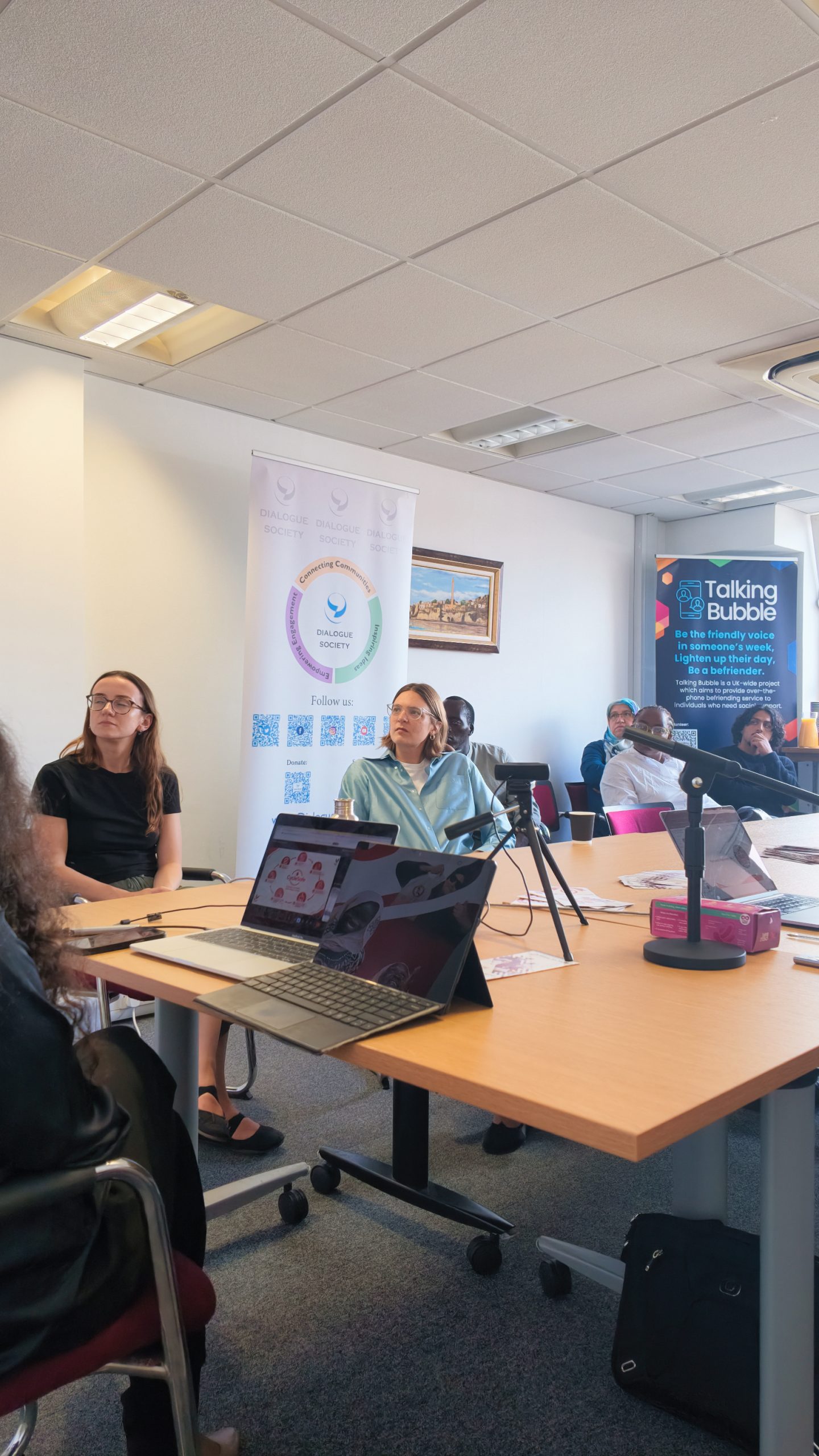
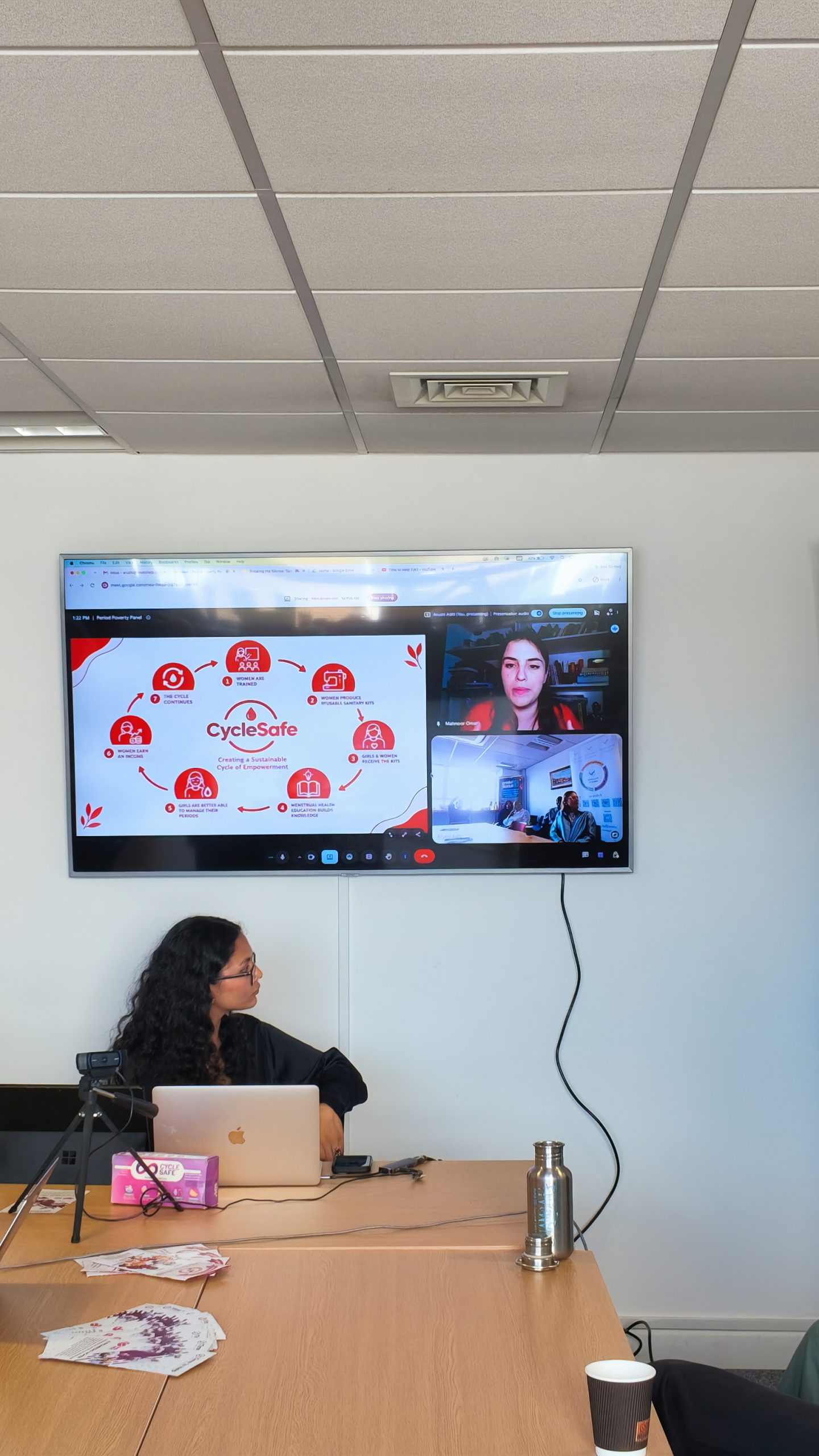
On 20 April 2026, Time to Help (UK) hosted a roundtable discussion on orphanage volunteerism and ethical international volunteering.

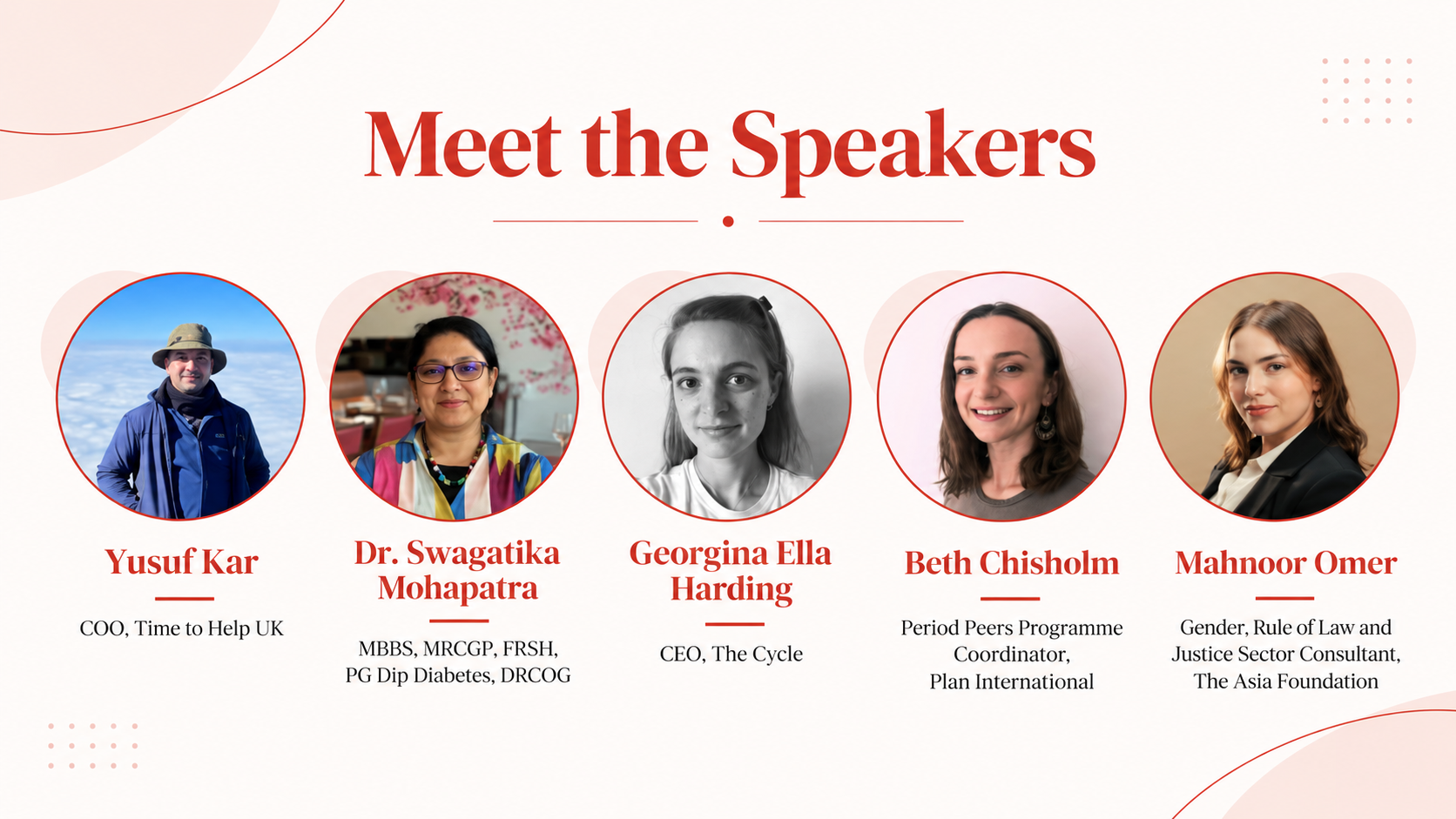
We were grateful to be joined by professionals working across child welfare, international development, safeguarding and ethical volunteering. Our panel included Olivia Barker White from Kids Club Kampala, Ridwana Wallace-Laher from Islamic Help, Dr Nelly Ali from the UCL Institute of Education, and Imtiaz Patel from Help Yateem.

The discussion was thoughtful, honest and constructive. It gave us the opportunity to consider difficult but necessary questions:

  • What does responsible support for children in residential care look like?
  • How can charities ensure that volunteering programmes protect children’s dignity, safety and emotional wellbeing?
  • How can international volunteers support local systems without replacing trained caregivers?
  • What practical steps can organisations take to promote family-based and community-led care?

Listening to the Concerns

One of the key themes discussed was that many children living in residential care may still have parents, relatives or wider family networks. In many situations, separation from family is linked to poverty, lack of access to education, healthcare or social support, rather than the absence of family members.

The roundtable also explored the risks that can arise when children repeatedly form relationships with short-term visitors, only to experience separation when those volunteers leave. Even with the best intentions, this can affect children’s sense of stability and emotional wellbeing.

Safeguarding was another central focus. Organisations working with children must ensure that all staff, volunteers and partners are appropriately screened, trained and supervised. Children’s safety, privacy and dignity must always come first.

Our Commitment Moving Forward

The discussion did not suggest that charities should turn away from supporting children in residential care. Instead, it highlighted the need to rethink how this support is delivered.

Our approach will increasingly focus on support that is practical, sustainable and child-centred. This includes helping local partners strengthen education, infrastructure, skills development, safeguarding and long-term care arrangements.

We also recognise the importance of supporting family- and community-based alternatives wherever possible. This may include family reunification, kinship care, foster care, education support and programmes that help families remain together.

For volunteers, this means moving away from unstructured or direct caregiving roles. Instead, volunteering should focus on supervised, skills-based and practical contributions that strengthen local systems and respond to real community needs.

Our Action Plan

Following the roundtable, we have produced our first Roundtable Discussion Summary and Action Plan on Orphanage Volunteerism.

The action plan outlines practical commitments for Time to Help (UK), including:

  • Strengthening safeguarding, screening and training requirements
  • Reviewing volunteering roles and boundaries
  • Improving ethical media and communication practices
  • Consulting children and listening to their experiences where appropriate
  • Working closely with local partners and child welfare specialists
  • Supporting family- and community-based care models
  • Reviewing funding and partnership arrangements to ensure that they promote long-term wellbeing

This will be an ongoing learning process. We know that responsible practice requires reflection, partnership and a willingness to adapt as evidence and best practice develop.

Sharing What We Have Learned

We are sharing this discussion summary and action plan in the hope that it can support other charities, universities, volunteer groups and community organisations who are also considering these important questions.

Good intentions matter, but they are not enough on their own. The needs, rights and long-term wellbeing of children must remain at the centre of every decision.

We are grateful to every speaker, participant and partner who contributed their experience and insight to this important conversation.

Read our Roundtable Discussion Summary and Action Plan on Orphanage Volunteerism here.

Empowering Women Through Tailoring

What is the Tailoring Course?

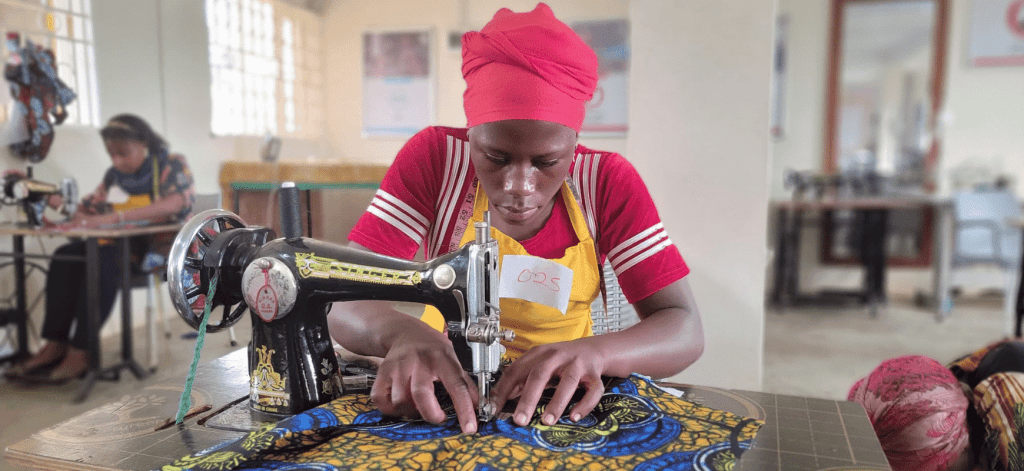
We have set up a tailoring course in Wakiso, Uganda, specifically for low-income women and single mothers. This program is structured over three terms, with each term welcoming 35 women for an intensive 240 hours of training. The curriculum blends hands-on practice with theoretical knowledge, ensuring participants become skilled tailors ready to take on the world of garment creation.

At the end of the course, participants sit exams accredited by the Uganda Ministry of Education and Sports. Those who pass receive a nationally recognised certificate, a powerful credential that opens doors to employment or entrepreneurial opportunities.

Why is This Course So Important?

In many parts of Uganda, particularly in low-income areas, women face significant barriers to finding stable, well-paying jobs. This economic challenge often limits their ability to provide for their families, affecting access to education, healthcare, and basic necessities. The tailoring course tackles this head-on by equipping women with a marketable skill that can generate a sustainable income.

Research suggests that when women earn an income, they invest heavily in their families’ well-being. For example, the extra money from tailoring can cover school fees, medical expenses, and better nutrition, directly improving living standards. Beyond economics, tailoring is a creative and fulfilling craft that allows women to express themselves while building confidence and independence. It’s also a skill that can be passed down to future generations, creating a legacy of self-sufficiency.

The impact doesn’t stop at the individual level. By empowering women, the course strengthens entire communities. As families gain financial stability, local economies benefit, and children have better opportunities to thrive. It’s a ripple effect that can transform lives for years to come.

Comprehensive Support for Success

We don’t just teach tailoring and send participants on their way. We provide a holistic support system to ensure long-term success. After completing the course, graduates receive assistance with job applications, helping them secure employment in the tailoring industry. For those with entrepreneurial ambitions, Time to Help supplies materials to start their own businesses, such as fabric and tools, along with financial resources to get them off the ground.

The cost of supporting one woman through this journey is surprisingly affordable. For instance, £300 covers a three-month training term, including tuition and supplies. An additional £25 per week ensures each participant has transport and meals, removing barriers to attendance. And for £100, Time to Help UK can provide a sewing machine, giving a graduate the tools to launch her own tailoring business. These figures highlight how even small donations can make a significant impact.

A Collaborative Effort

The tailoring course is a collaborative project, with Time to Help UK partnering with organisations like Time to Help Netherlands and Nile Humanitarian Development Agency to deliver the program. The training takes place at a vocational training centre in Wakiso, where experienced instructors guide participants through a rigorous curriculum. The course runs five hours a day, weekdays, balancing practical sewing techniques with theoretical lessons on garment construction and design. This structured approach ensures participants gain a deep understanding of the craft, preparing them for real-world challenges.

How You Can Get Involved

If this initiative inspires you, there’s a way to get involved! Time to Help UK welcomes donations to keep the tailoring course running and to expand its reach. Your contribution could fund training for a woman, provide her with a sewing machine, or cover her daily expenses during the course. Every little bit helps, and together, we can support more women in building brighter futures for themselves and their families. Visit the donation page to learn more about how you can make a difference.

A Bright Future for Uganda’s Women

Time to Help’s tailoring course is a shining example of how education and skill-building can transform lives. By empowering women with the ability to earn a living, the program is not only changing individual trajectories but also uplifting entire communities. It’s a reminder that small, targeted interventions can have far-reaching impacts, especially when they prioritise empowerment and sustainability.

Aspect Details
Location Wakiso, Uganda
Target Group Low-income women and single mothers
Duration Three terms, 240 hours per term
Participants per Term 35 women
Certification Nationally recognised by Uganda Ministry of Education and Sports
Support Provided Job applications, business startup materials, financial resources
Cost Breakdown £300 for training, £25/week for transport/meals, £100 for a sewing machine
Partners Time to Help Netherlands, Nile Humanitarian Development Agency

Until next time, stay inspired!