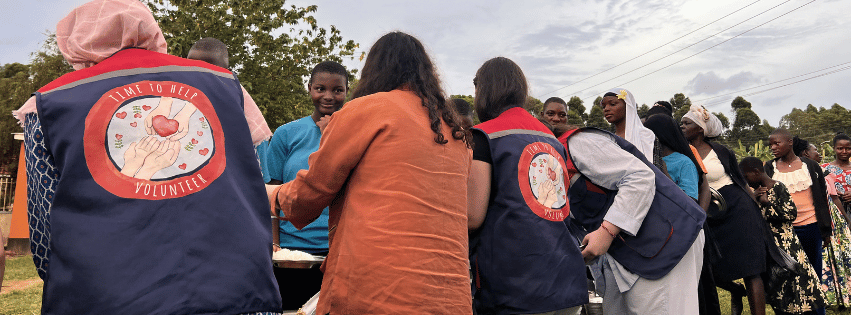
At Time to Help (UK), our overseas volunteering programmes have always been shaped by a desire to serve communities with care, humility and respect.
Last year, while discussing the promotion of our overseas trips with a university, an important concern was raised around “orphanage volunteerism”. This term is often used to describe short-term volunteering experiences in orphanages or residential care settings which, when not carefully planned, may unintentionally place the experience of the volunteer ahead of the long-term wellbeing of the child.
Rather than dismissing the concern, we felt it was important to listen, learn and reflect.
Bringing Experts Together
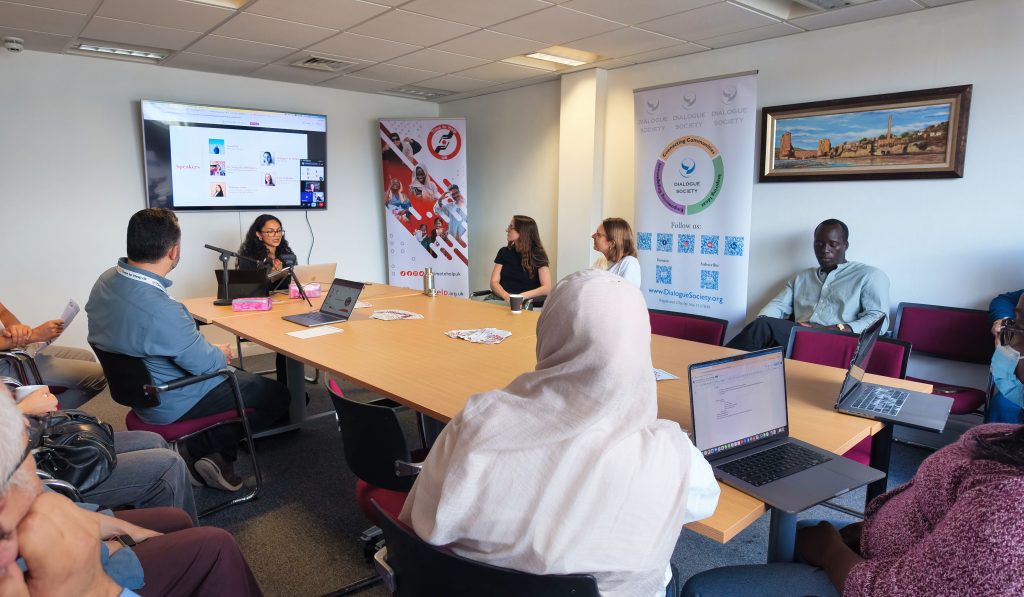
On 20 April 2026, Time to Help (UK) hosted a roundtable discussion on orphanage volunteerism and ethical international volunteering.
We were grateful to be joined by professionals working across child welfare, international development, safeguarding and ethical volunteering. Our panel included Olivia Barker White from Kids Club Kampala, Ridwana Wallace-Laher from Islamic Help, Dr Nelly Ali from the UCL Institute of Education, and Imtiaz Patel from Help Yateem.
The discussion was thoughtful, honest and constructive. It gave us the opportunity to consider difficult but necessary questions:
- What does responsible support for children in residential care look like?
- How can charities ensure that volunteering programmes protect children’s dignity, safety and emotional wellbeing?
- How can international volunteers support local systems without replacing trained caregivers?
- What practical steps can organisations take to promote family-based and community-led care?
Listening to the Concerns
One of the key themes discussed was that many children living in residential care may still have parents, relatives or wider family networks. In many situations, separation from family is linked to poverty, lack of access to education, healthcare or social support, rather than the absence of family members.
The roundtable also explored the risks that can arise when children repeatedly form relationships with short-term visitors, only to experience separation when those volunteers leave. Even with the best intentions, this can affect children’s sense of stability and emotional wellbeing.
Safeguarding was another central focus. Organisations working with children must ensure that all staff, volunteers and partners are appropriately screened, trained and supervised. Children’s safety, privacy and dignity must always come first.
Our Commitment Moving Forward
The discussion did not suggest that charities should turn away from supporting children in residential care. Instead, it highlighted the need to rethink how this support is delivered.
Our approach will increasingly focus on support that is practical, sustainable and child-centred. This includes helping local partners strengthen education, infrastructure, skills development, safeguarding and long-term care arrangements.
We also recognise the importance of supporting family- and community-based alternatives wherever possible. This may include family reunification, kinship care, foster care, education support and programmes that help families remain together.
For volunteers, this means moving away from unstructured or direct caregiving roles. Instead, volunteering should focus on supervised, skills-based and practical contributions that strengthen local systems and respond to real community needs.
Our Action Plan
Following the roundtable, we have produced our first Roundtable Discussion Summary and Action Plan on Orphanage Volunteerism.
The action plan outlines practical commitments for Time to Help (UK), including:
- Strengthening safeguarding, screening and training requirements
- Reviewing volunteering roles and boundaries
- Improving ethical media and communication practices
- Consulting children and listening to their experiences where appropriate
- Working closely with local partners and child welfare specialists
- Supporting family- and community-based care models
- Reviewing funding and partnership arrangements to ensure that they promote long-term wellbeing
This will be an ongoing learning process. We know that responsible practice requires reflection, partnership and a willingness to adapt as evidence and best practice develop.
Sharing What We Have Learned
We are sharing this discussion summary and action plan in the hope that it can support other charities, universities, volunteer groups and community organisations who are also considering these important questions.
Good intentions matter, but they are not enough on their own. The needs, rights and long-term wellbeing of children must remain at the centre of every decision.
We are grateful to every speaker, participant and partner who contributed their experience and insight to this important conversation.
Read our Roundtable Discussion Summary and Action Plan on Orphanage Volunteerism here.