Uganda Trip: A Beautiful Dream

People often ask me, “How was Uganda?”.  And I have to stop for a moment before answering because Uganda felt like a beautiful dream. I couldn’t really believe I would actually go to Uganda when we started fundraising last year. Now that we have come back, I still can’t believe it happened.


One of the people who gave a speech at a Tailoring Graduation event we had attended had touched upon an important point. And I would like to start there. He had said, “You don’t know these women you are helping, nor do they know you. Then what brings you here?”. His answer to that question was kindness and being a good person. 

But truly, why were we there?
 

In our modern life, giving charity, just like many other things, has become cold and automated. It’s very easy to press a button on a screen and see the numbers on your bank account go down. This doesn’t really reflect what people on the receiving end experience and loses its potential to make us better people, to motivate us to do more. We often hear from the media about the tragedies of the world. Instead of listening to such news, feeling sympathy and carrying on with our lives, we should aim to feel empathy and take action to make a difference in any way we can. 


That is what this trip to Uganda helped us achieve.


First, we came together around a common goal- fundraising for Uganda. We hoped to make an impact on three areas in particular. Providing clean water to villages, sanitary pads to young women, and vocational training to those in need.


And then, after a lot of fundraising events, school visits and individual effort, it was time to pack for Uganda! 


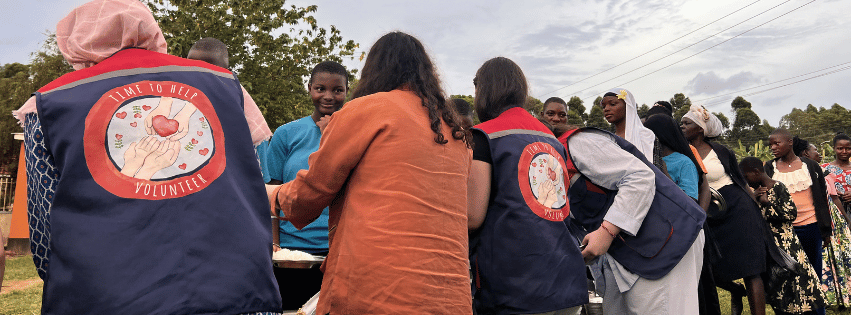
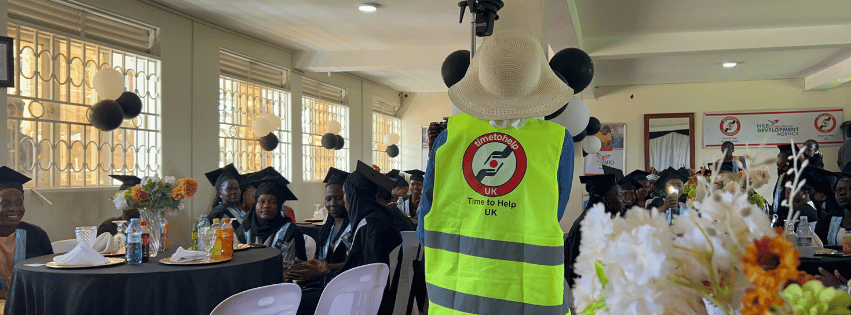
During our one-week stay in Uganda, we visited orphanages and schools, distributed food, gave out sanitary pads, attended the Tailors’ graduation ceremony, and water well opening in two villages. We also had so many fun activities, such as making aprons with the women at Tailoring Hub, rafting, touring Lake Victoria and visiting the Equator. We got to connect with local people and, to some extent, see life from their perspectives. 


Whilst making the apron, I got to ask the lady who was teaching me questions about her dreams and life in Uganda. I learned a lot about the different aspects of Ugandan culture and realised humans are so similar at the core, even when separated by continents.


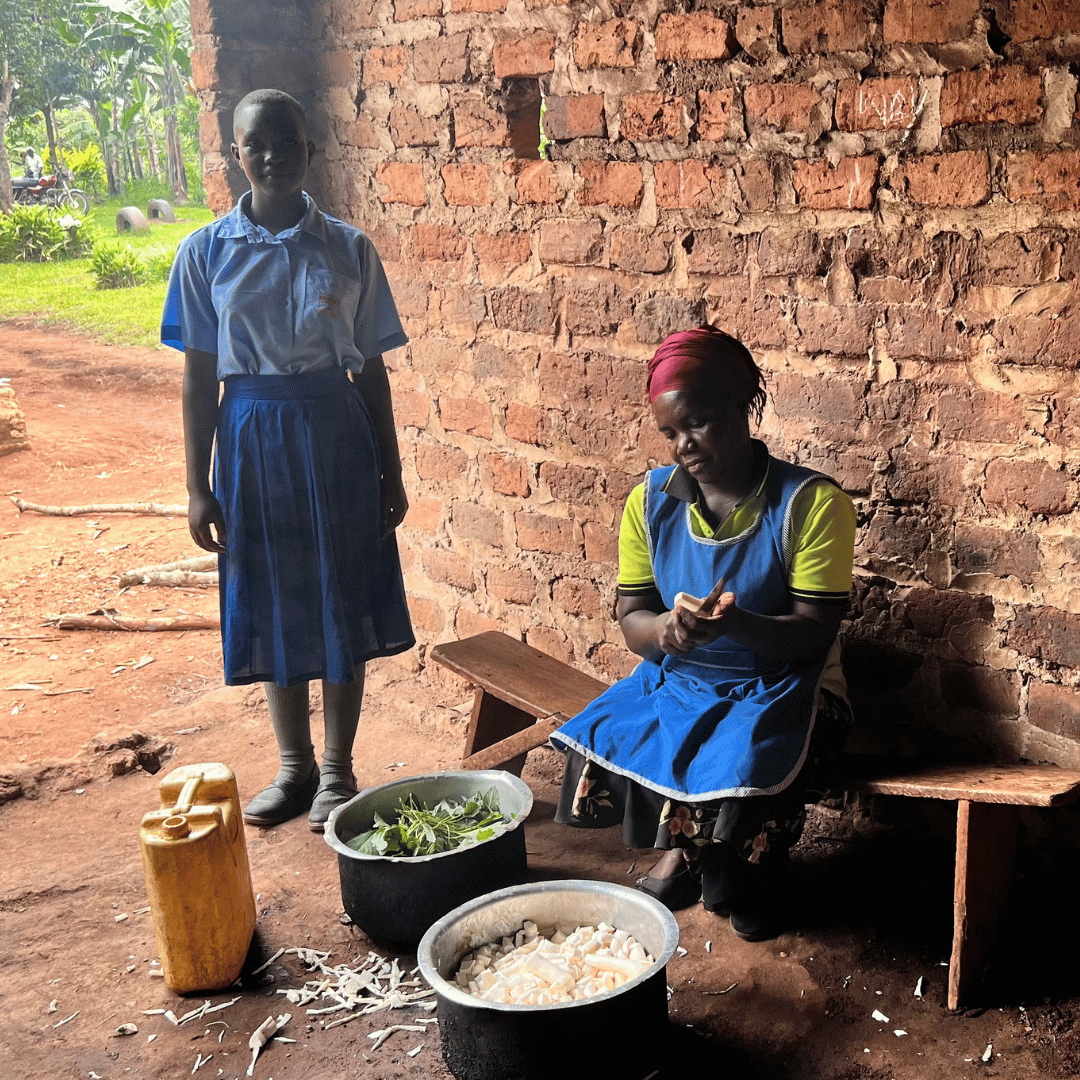
During our visit to an orphanage, I met a girl who dreamed of becoming a lawyer and helping out her community. When we first got to the orphanage, I had wondered whether our visit would really make a difference, but she mentioned something that removed all doubt from my mind. She said that when people come and visit, when they see that there are people out there who care, it gives them hope and allows them to push through the difficult times. Just the fact that we were there was enough for them.


It was amazing to see that you can actually make a positive impact in the world. To meet people whom you had helped and to see the change in their lives with your own eyes. To feel the warmth of their smiles.

And perhaps, that’s why I was really there.
 

KA (Uganda 2026 Volunteer)

The Heart of Ramadan: How Your Generosity Changes Lives

As the season of Ramadan approaches, a familiar sense of peace and purpose begins to settle in communities across the globe. For many, it is a month of fasting and prayer. But at its core, Ramadan is defined by one powerful, universal value: generosity.

In a world where many are struggling with rising costs and food insecurity, the act of giving has never been more vital. At Time to Help, we see firsthand how a single Ramadan donation can ripple outward, transforming lives from a place of hardship to a place of hope.

A Month Defined by Compassion

Ramadan is often described as a school of empathy. By experiencing hunger and thirst during the day, we are reminded of the millions who face these challenges every single day of the year. This shared experience creates a deep, spiritual urge to give back.

Whether it is through Zakat (obligatory charity) or Sadaqah (voluntary giving), the spirit of the month encourages us to look beyond ourselves and toward the needs of our global family.

Why Generosity Matters Now

The impact of your kindness during this month cannot be overstated. When we talk about “Ramadan and donation,” we aren’t just talking about numbers or transactions; we are talking about:

  • Dignity: Providing a family with a “Food Pack” means they don’t have to beg for their next meal.

  • Community: Sharing Iftar meals brings people together, ensuring that no one—especially the elderly or the displaced—has to break their fast alone.

  • Sustainability: Your Sadaqah Jariyah (ongoing charity) projects, like building water wells, provide life-sustaining resources that last long after the month is over.

The Power of Small Acts

You don’t need to be wealthy to be generous. In the eyes of those in need, no contribution is “too small.” A few pounds can provide a hot meal; a few more can provide clean water for a village. The beauty of Ramadan 2025 lies in the collective power of these small acts of kindness.

How You Can Help This Ramadan

At Time to Help, we are dedicated to ensuring your generosity reaches the most vulnerable. Our teams are on the ground, delivering aid to refugees, orphans, and families living in extreme poverty.

Ways to get involved:

  1. Donate a Food Pack: Ensure a family has enough nutrition for the whole month.

  2. Give Your Zakat: Fulfil your religious duty through our transparent and direct distribution channels.

  3. Spread the Word: Sometimes, sharing a cause is an act of charity in itself.

“Wealth is not diminished by charity.” As we prepare our homes for this blessed month, let’s also prepare our hearts to be as open and giving as possible.

Join the Journey of Giving

This Ramadan, let your generosity be the light for someone in the dark. Every donation is a step toward a world where everyone has enough to eat and the hope to keep going.

The Power of a Good Laugh: Reflections on Our Comedy Night

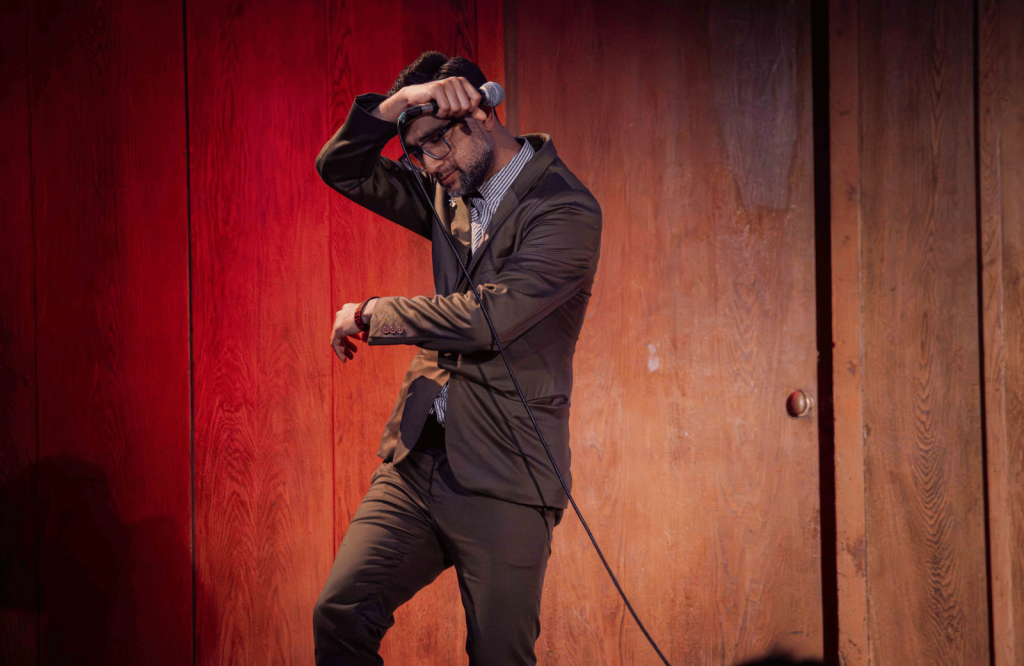
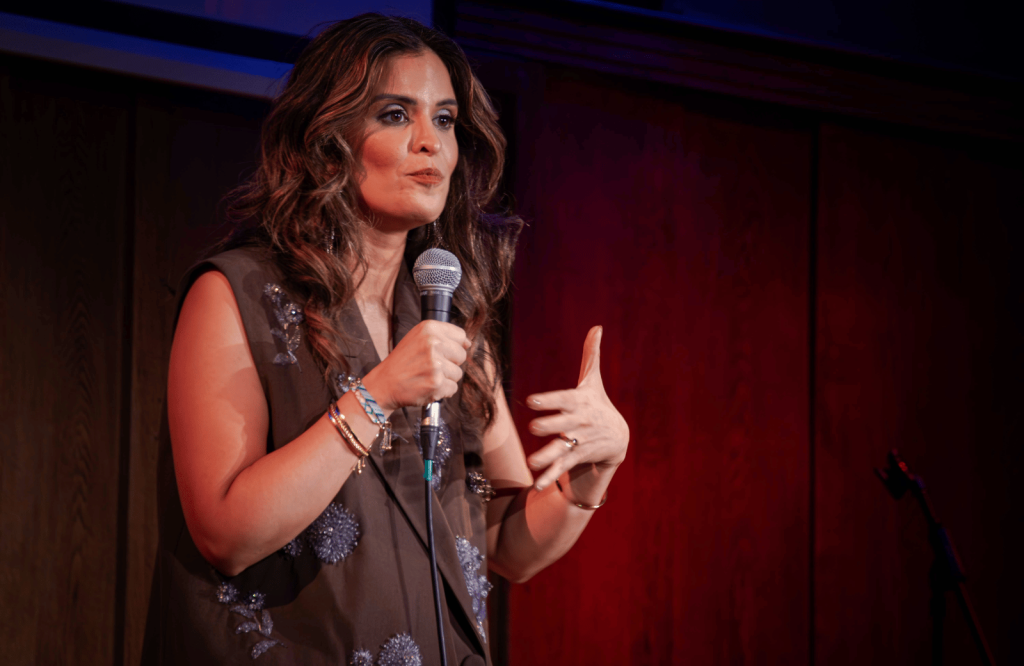
There is a distinct electricity that fills a room when hundreds of people laugh at the same time. At our recent Comedy Night at Conway Hall, that electricity was undeniable. It wasn’t just about the jokes (though they were excellent); it was about seeing our community come together in a way that felt effortless.

Why Comedy? It might seem strange to pair stand-up comedy with serious issues like displacement, water shortages, and poverty. But we’ve found that laughter doesn’t distract from the mission—it actually helps us process it.

The work we do is heavy. Asking people to confront suffering can sometimes feel overwhelming or draining. But a comedy night flips the script. It allows us to lower our defenses and open up. We noticed that once the audience relaxed and connected with one another, they were actually more willing to engage with the hard stuff.

Joy is Part of the Solution The best part of the evening was watching people realise that supporting a charity doesn’t have to be somber. It can be a great night out. It can be social. It can be fun.

Between the sets, we saw guests connecting over shared stories and contributing to our projects—from refugee wellbeing sessions to food distribution. People left with sore cheeks from smiling, knowing that their joy contributed to something meaningful.

We are already planning the next one. If you want to be part of an evening where laughter meets purpose, make sure you’re subscribed to our newsletter. You won’t want to miss it.

Empowering Women Through Tailoring

What is the Tailoring Course?

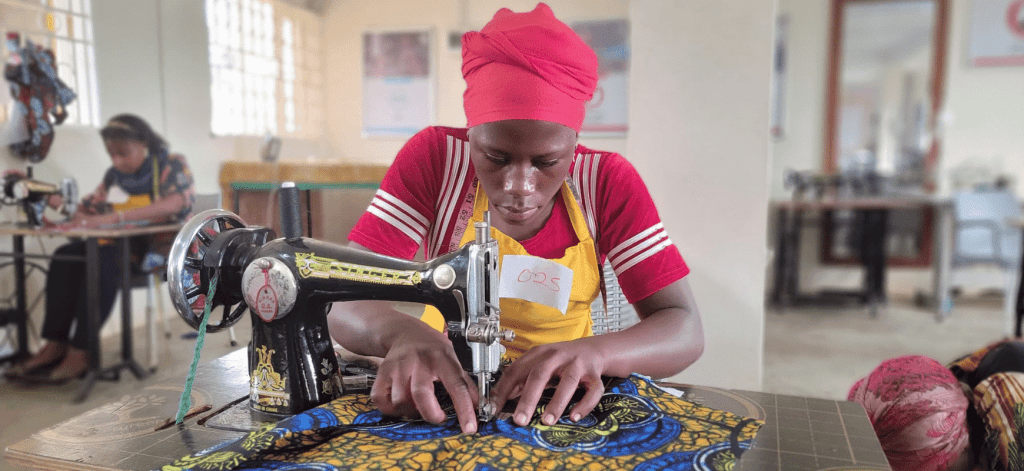
We have set up a tailoring course in Wakiso, Uganda, specifically for low-income women and single mothers. This program is structured over three terms, with each term welcoming 35 women for an intensive 240 hours of training. The curriculum blends hands-on practice with theoretical knowledge, ensuring participants become skilled tailors ready to take on the world of garment creation.

At the end of the course, participants sit exams accredited by the Uganda Ministry of Education and Sports. Those who pass receive a nationally recognised certificate, a powerful credential that opens doors to employment or entrepreneurial opportunities.

Why is This Course So Important?

In many parts of Uganda, particularly in low-income areas, women face significant barriers to finding stable, well-paying jobs. This economic challenge often limits their ability to provide for their families, affecting access to education, healthcare, and basic necessities. The tailoring course tackles this head-on by equipping women with a marketable skill that can generate a sustainable income.

Research suggests that when women earn an income, they invest heavily in their families’ well-being. For example, the extra money from tailoring can cover school fees, medical expenses, and better nutrition, directly improving living standards. Beyond economics, tailoring is a creative and fulfilling craft that allows women to express themselves while building confidence and independence. It’s also a skill that can be passed down to future generations, creating a legacy of self-sufficiency.

The impact doesn’t stop at the individual level. By empowering women, the course strengthens entire communities. As families gain financial stability, local economies benefit, and children have better opportunities to thrive. It’s a ripple effect that can transform lives for years to come.

Comprehensive Support for Success

We don’t just teach tailoring and send participants on their way. We provide a holistic support system to ensure long-term success. After completing the course, graduates receive assistance with job applications, helping them secure employment in the tailoring industry. For those with entrepreneurial ambitions, Time to Help supplies materials to start their own businesses, such as fabric and tools, along with financial resources to get them off the ground.

The cost of supporting one woman through this journey is surprisingly affordable. For instance, £300 covers a three-month training term, including tuition and supplies. An additional £25 per week ensures each participant has transport and meals, removing barriers to attendance. And for £100, Time to Help UK can provide a sewing machine, giving a graduate the tools to launch her own tailoring business. These figures highlight how even small donations can make a significant impact.

A Collaborative Effort

The tailoring course is a collaborative project, with Time to Help UK partnering with organisations like Time to Help Netherlands and Nile Humanitarian Development Agency to deliver the program. The training takes place at a vocational training centre in Wakiso, where experienced instructors guide participants through a rigorous curriculum. The course runs five hours a day, weekdays, balancing practical sewing techniques with theoretical lessons on garment construction and design. This structured approach ensures participants gain a deep understanding of the craft, preparing them for real-world challenges.

How You Can Get Involved

If this initiative inspires you, there’s a way to get involved! Time to Help UK welcomes donations to keep the tailoring course running and to expand its reach. Your contribution could fund training for a woman, provide her with a sewing machine, or cover her daily expenses during the course. Every little bit helps, and together, we can support more women in building brighter futures for themselves and their families. Visit the donation page to learn more about how you can make a difference.

A Bright Future for Uganda’s Women

Time to Help’s tailoring course is a shining example of how education and skill-building can transform lives. By empowering women with the ability to earn a living, the program is not only changing individual trajectories but also uplifting entire communities. It’s a reminder that small, targeted interventions can have far-reaching impacts, especially when they prioritise empowerment and sustainability.

AspectDetails
LocationWakiso, Uganda
Target GroupLow-income women and single mothers
DurationThree terms, 240 hours per term
Participants per Term35 women
CertificationNationally recognised by Uganda Ministry of Education and Sports
Support ProvidedJob applications, business startup materials, financial resources
Cost Breakdown£300 for training, £25/week for transport/meals, £100 for a sewing machine
PartnersTime to Help Netherlands, Nile Humanitarian Development Agency

Until next time, stay inspired!

Blessing’s Story

In the heart of Uganda, a remarkable young girl named Blessing is living a life that exemplifies resilience, determination, and the pursuit of dreams. At just 14 years old, Blessing is in year seven and aspires to become a scientist, but her journey is far from ordinary. She faces a daily challenge that most of us can hardly imagine – the lack of access to clean water.

Blessing’s dream of becoming a scientist is fuelled by her insatiable curiosity and thirst for knowledge. Despite the numerous obstacles in her path, she remains unwavering in her determination to achieve her dreams. She envisions a future where she can make a difference in her community and contribute to the scientific advancements of her country. But in order to pursue her education and dreams, Blessing faces a daily ordeal that many of us take for granted – fetching water.

For Blessing and countless other children in Uganda, access to clean water is a daily struggle. Instead of focusing solely on her studies and pursuing her passion for science, Blessing is burdened with the responsibility of carrying water for her school and home twice a day. This is not just a physical challenge but also a tremendous drain on her time and energy.

When I had the privilege of visiting Blessing’s school, I had the opportunity to experience her daily routine firsthand. Together, we carried containers filled with water from a distant source, and it was an eye-opening experience. The weight of the water felt heavy on my shoulders, and I could only imagine how challenging it must be for Blessing to do this every single day.

Carrying water with Blessing was a humbling experience that highlighted the importance of empathy. It allowed me to better understand the daily struggles that Blessing and many other young girls like her face in their pursuit of education and dreams. It also reinforced the significance of the work being done by organisations and individuals dedicated to improving access to clean water in Uganda and around the world.

Blessing’s story is a reminder that access to clean water is not just a basic necessity but a fundamental human right. It should not be a barrier to education or hinder the dreams and aspirations of young individuals like Blessing.

As we reflect on Blessing’s journey, we are called to action. We are responsible for supporting initiatives that aim to provide clean water to communities in need, ensuring that children like Blessing can focus on their education and chase their dreams without the burden of carrying water.

Blessing’s determination to become a scientist despite the daily water challenges she faces is truly inspirational. Her story reminds us of the resilience and strength that can be found in the most challenging circumstances. As we strive for a world where every child has access to clean water, let Blessing’s story serve as a beacon of hope and a testament to the power of dreams and determination. Together, we can help Blessing and others like her turn their dreams into reality.

Yusuf Celik

Head of International Programmes 

Yusuf Celik
Head of İnternational Program Manager

Time to Help (UK)


My Personal Journey with Time to Help

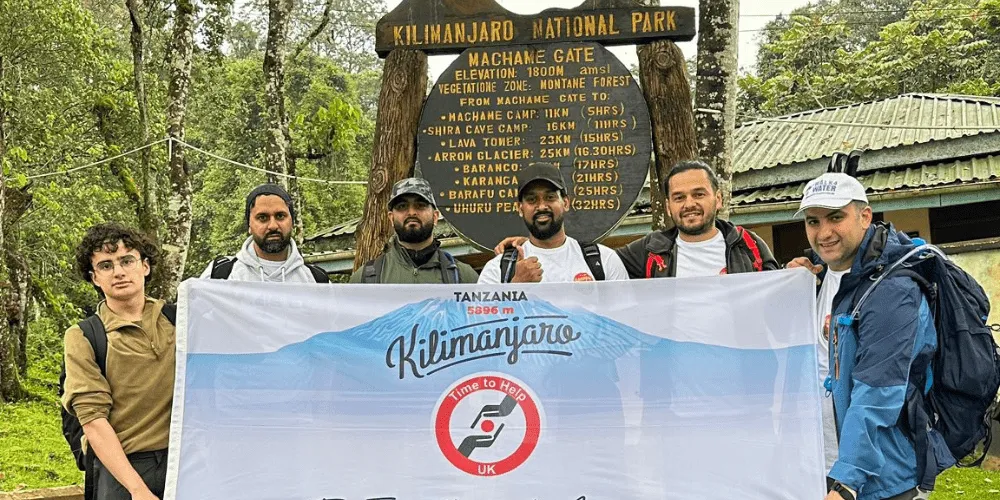
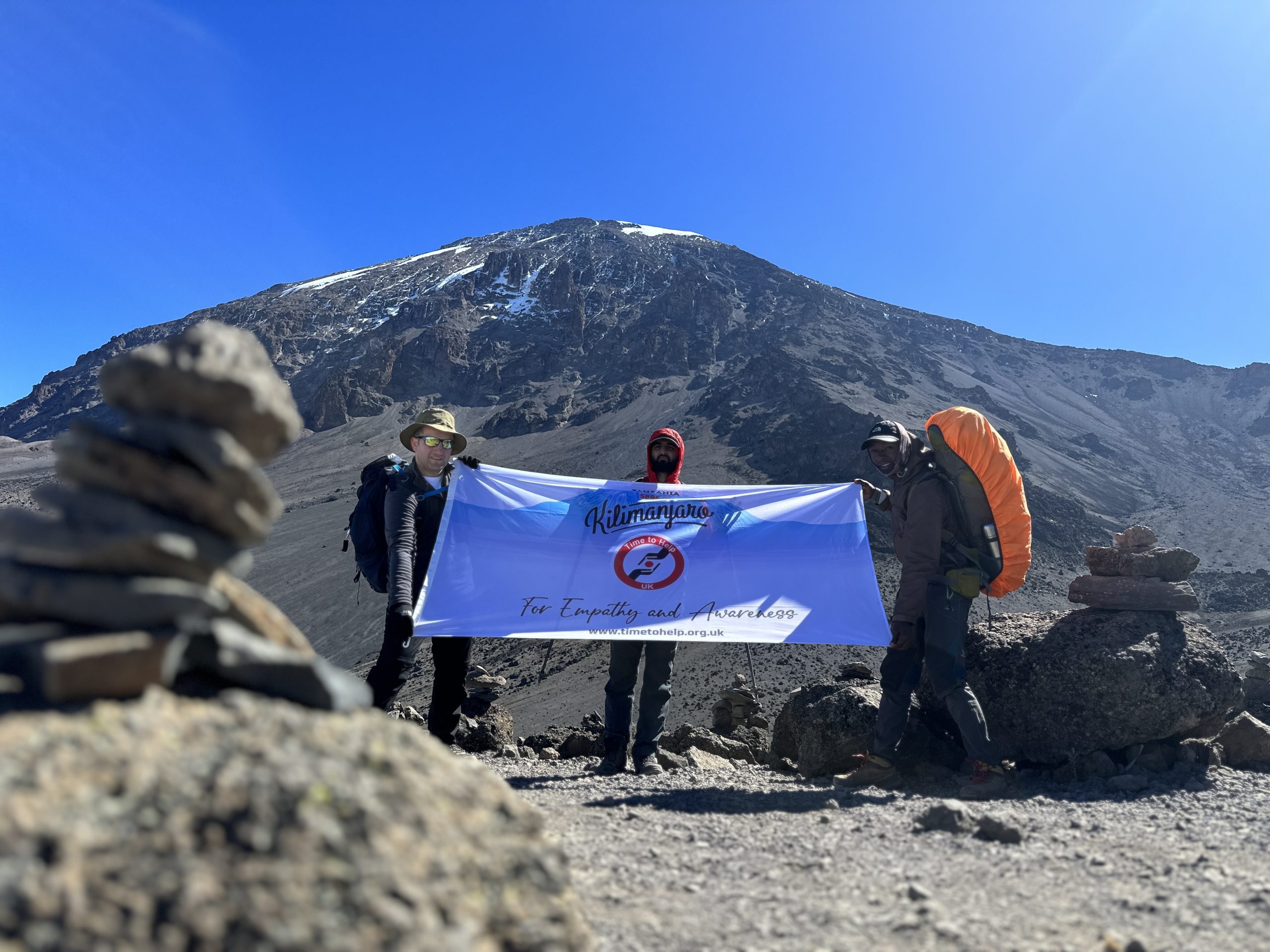
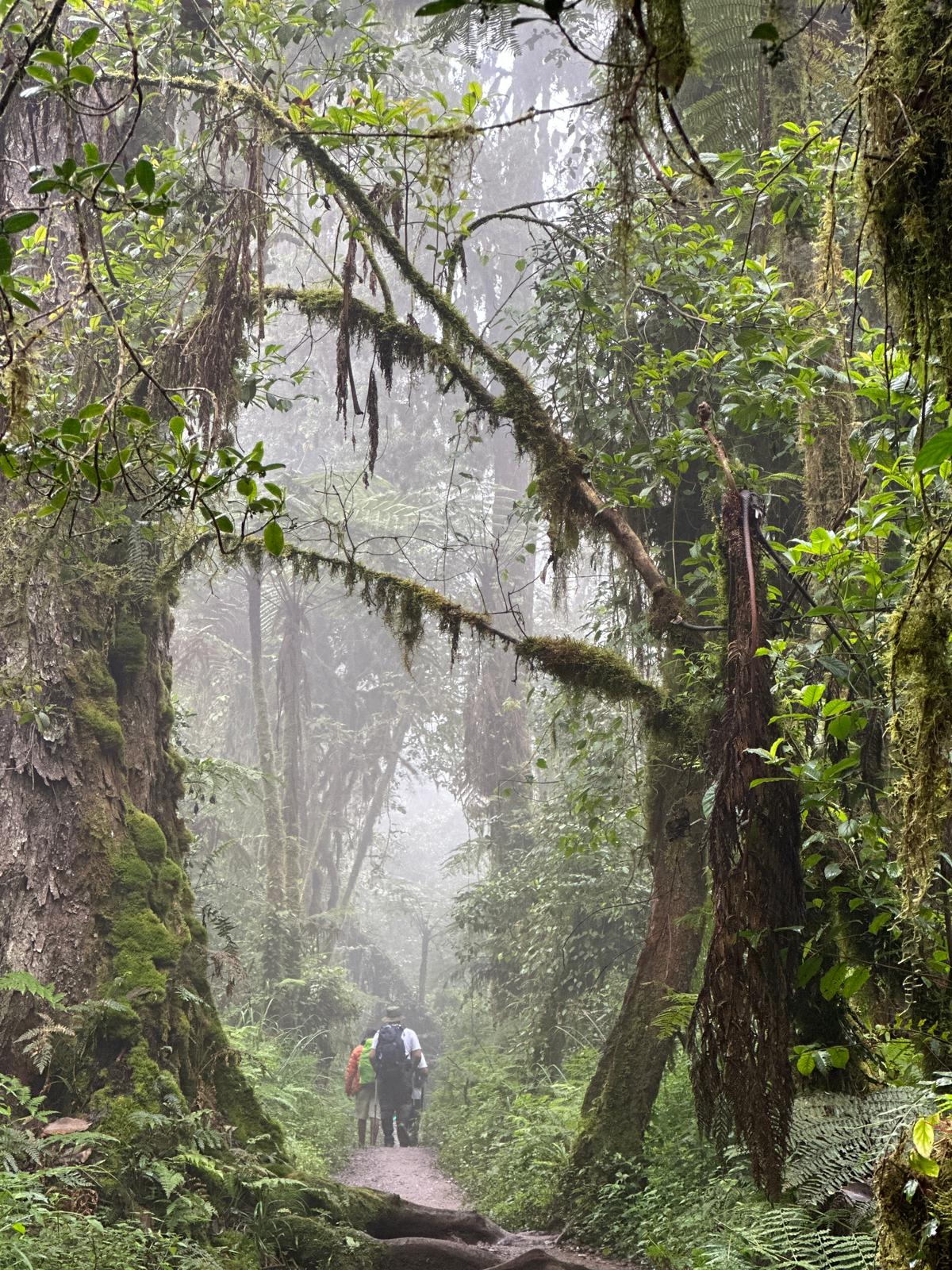
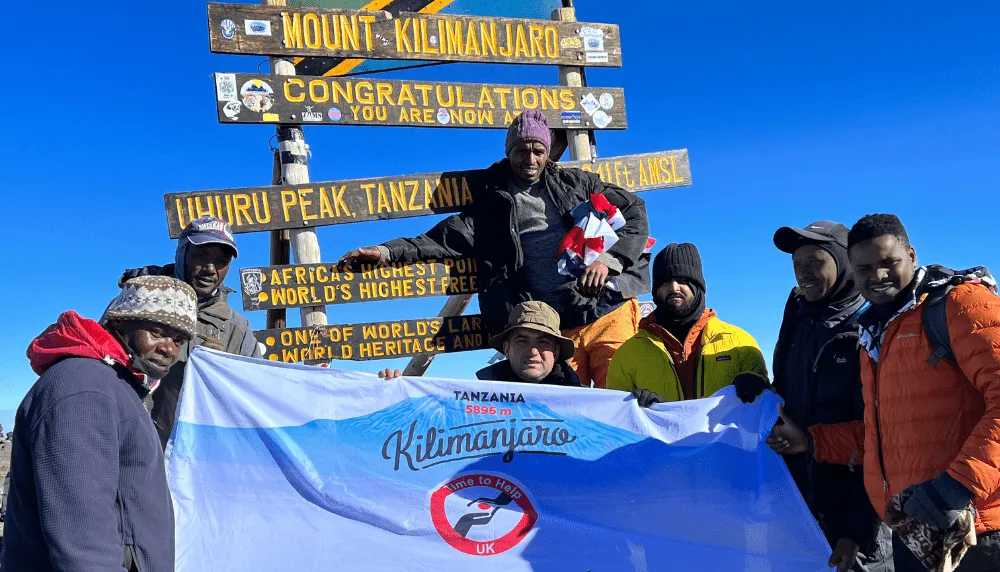
This July, I joined a team of seven other dedicated staff and volunteers from Time to Help (UK). Our mission was ambitious, to scale the highest peak in Africa – Mount Kilimanjaro. This wasn’t just a physical challenge but a journey to raise awareness and funds for those in need in Tanzania and wider East Africa.

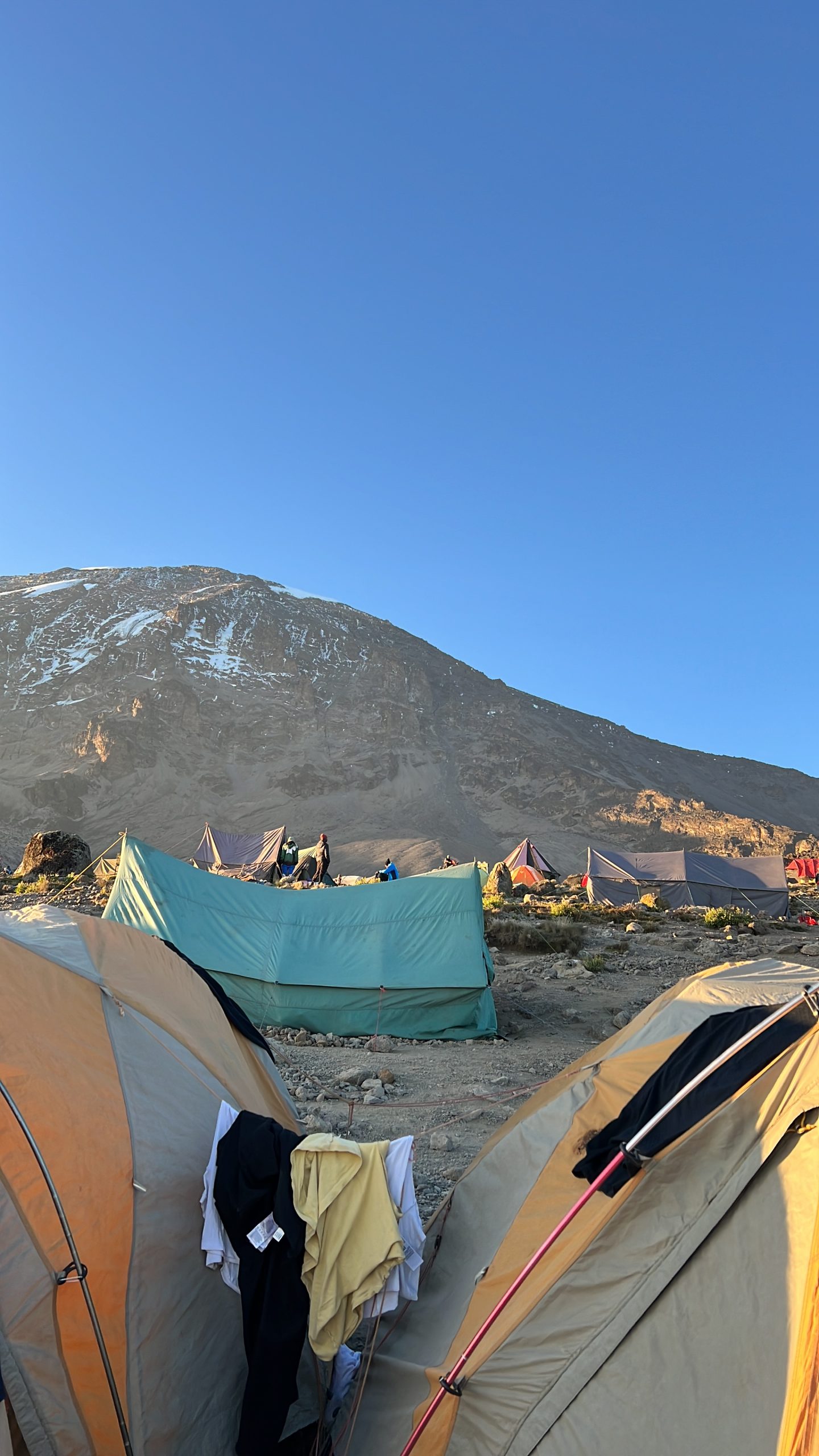
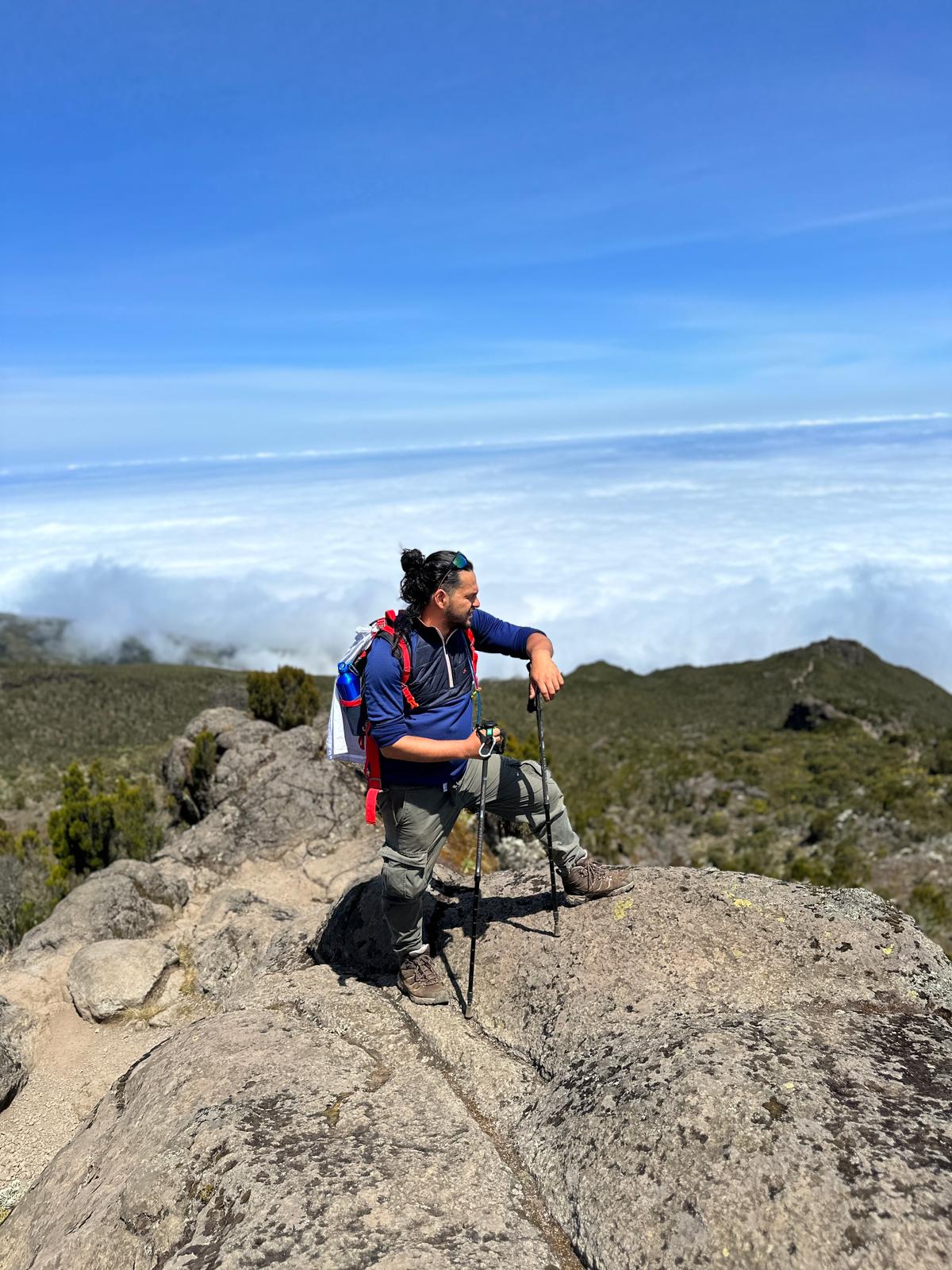
Time to Help is a unique charity that combines social activities with aid efforts, offering alternative programmes to young people. Our trek to the summit of Mount Kilimanjaro took seven gruelling days. The path was steep, the weather unpredictable, and the altitude a constant test of our endurance. But with every step, we were reminded of the purpose of our journey, and it was this purpose that fuelled our resolve to reach the peak.

Along the way, we forged new friendships, shared stories, and supported each other through the most challenging moments. We were more than just a team; we became a family united by our shared commitment to making a difference.

Our climb was not just about conquering a mountain but about shining a light on the difficult living conditions faced by many in Tanzania and the wider East Africa region. Our efforts bore fruit as we raised an impressive £40,000 through a fundraising drive. A significant portion of these funds is now fuelling a bakery project, providing essential daily bread for individuals affected by the ongoing war in Yemen.

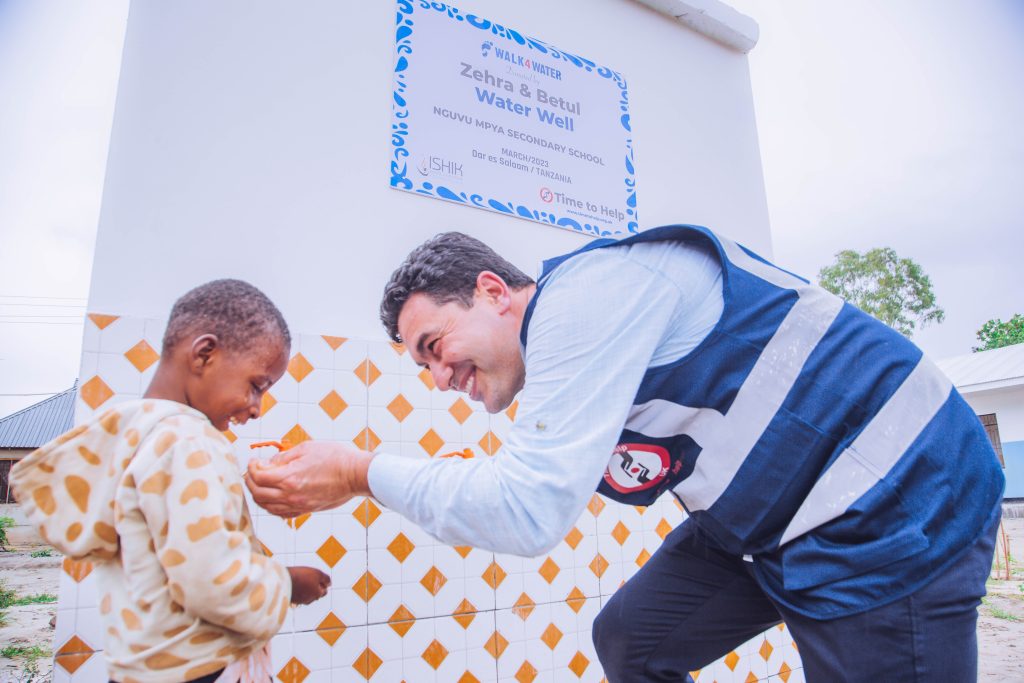
But our journey didn’t end at the summit. We travelled to Dar Es Salaam, Tanzania, where we sponsored and actively participated in renovating an orphanage for young children. We inaugurated four water wells, providing drinking water for approximately 9,000 people. We also supported ten girls attending a government school in Bagamoyo who currently need more financial means to stay in the dormitory.

The experience was a stark reminder of the power of collective action. Participating in charity challenges like this pushes us out of our comfort zones and allows us to contribute to meaningful change. It’s about more than just the physical challenge; it’s about using our abilities and resources to make a difference in the world.

The dedication, resilience, and selflessness of my fellow volunteers from Time to Help UK were truly inspiring. We didn’t just climb a mountain; we moved mountains of obstacles to bring about positive change, one act of kindness at a time.

If you also want to challenge yourself and be part of the change click this link to volunteer. Together, we can make a difference.

YK
COO

Transforming Lives: Building Water Wells in Africa

Access to clean water is a fundamental necessity for human life, yet millions of people around the world, particularly in Africa, still lack this primary resource. In many remote regions of the continent, communities struggle to obtain safe drinking water, leading to numerous health issues and hindering socio-economic development. Building water wells in Africa has proven to be a transformative solution, addressing immediate needs and creating a ripple effect of positive impacts on people’s lives. This blog post explores the significance of constructing water wells in Africa and the profound changes they bring to communities.

Alleviating Water Scarcity

Water scarcity is a pressing issue faced by many African communities. Traditional water sources such as rivers, ponds, or unprotected wells often harbour contaminants, making the water unfit for consumption. By building water wells, access to clean and safe water becomes a reality. These wells are strategically located to reach the maximum number of people within a community, reducing the distance and time spent collecting water and relieving the burden on women and children, who are typically responsible for water collection.

Promoting Health and Sanitation

Clean water is pivotal in promoting public health and reducing the incidence of waterborne diseases. Waterborne illnesses like diarrhoea, cholera, and typhoid are prevalent in areas without access to safe water. Constructing water wells helps combat these diseases by providing a reliable source of clean water, significantly improving hygiene practices within communities. Access to water for proper hand washing, cooking, and personal hygiene prevents diseases and enhances overall well-being, especially for vulnerable populations such as children and the elderly.

Enhancing Education Opportunities

The availability of clean water profoundly impacts education, particularly for young girls. In many parts of Africa, children, especially girls, are responsible for fetching water, often walking long distances to fulfil this essential task. The time spent collecting water compromises their ability to attend school regularly and perform well academically. Building water wells near schools ensures that children can access safe water throughout the day, eliminating the need to travel long distances. This positively influences school attendance and allows students, especially girls, to devote more time to their education.

Empowering Economic Growth

Water wells serve as catalysts for economic growth within communities. A readily available water source enhances agricultural productivity, allowing farmers to grow crops more efficiently and diversify their yields. Irrigation systems powered by water wells enable communities to cultivate even in dry seasons, thereby boosting food security. Additionally, surplus crops can be sold, generating income and entrepreneurship opportunities. Access to clean water also facilitates the establishment of small-scale businesses, such as laundry services, brick-making, and food processing, further driving economic development.

Fostering Community Development and Empowerment

The construction of water wells fosters community cohesion and empowerment. Often, local communities actively participate in the wells’ planning, construction, and maintenance, promoting ownership and sustainability. The collective effort strengthens social ties, encourages cooperation, and instils a sense of pride within the community. As communities gain control over their water resources, they become better equipped to address their future needs, leading to empowerment and resilience.

Conclusion

Building water wells in Africa is a powerful intervention that brings about transformative change in the lives of individuals and communities. Access to clean and safe water alleviates water scarcity, improves health, enhances education opportunities, stimulates economic growth, and fosters community development. These wells serve as a lifeline for communities, propelling them towards a brighter future with improved well-being and increased self-sufficiency. By investing in water infrastructure and supporting initiatives focused on water access, we can help build a more sustainable and equitable Africa where every person has the opportunity to thrive.

YK

Ramadan: The Month of Giving

Ramadan food distribution in Pakistan

Ramadan is a month of fasting, prayer, and reflection for Muslims worldwide. It is a time to purify the soul, strengthen faith, and renew one’s commitment to serving others. One of the most significant aspects of Ramadan is the emphasis on giving to those in need. In this blog post, we will explore why giving is so important during Ramadan and how it can benefit both the giver and the receiver.

The Importance of Giving During Ramadan

Giving is an essential part of Islam and is especially emphasised during Ramadan. The act of giving is not only a way to help those in need, but it is also a way to purify one’s heart and soul. Muslims believe that giving during Ramadan is a way to gain the blessings of Allah and to increase their own spiritual growth.

Giving during Ramadan can take many forms, including donating money, volunteering time, and providing food to those who are fasting. The act of giving is not only about helping others but also about fostering a sense of community and empathy. It is a time to come together and support one another, regardless of race, religion, or socioeconomic status.

The Benefits of Giving During Ramadan

Giving during Ramadan has numerous benefits, both for the giver and the receiver. For the giver, giving is an act of worship that can increase their spiritual growth and bring them closer to Allah. It is a way to show gratitude for the blessings in their life and to share those blessings with others. Giving can also bring a sense of joy and fulfilment that comes from helping others.

For the receiver, giving can be a lifeline during difficult times. Ramadan is a time when many people struggle with hunger and poverty, and giving can help alleviate some of that suffering. The act of giving can also bring a sense of dignity and self-worth to those in need, knowing that others care about their well-being.

How to Give During Ramadan

Giving during Ramadan can take many forms, and there are many ways to get involved. Here are a few ideas:

  1. Donate to a reputable charity that supports those in need.
  2. Volunteer at a local soup kitchen or food bank.
  3. Prepare food for those who are fasting and distribute it to those in need.
  4. Donate clothes, blankets, and other necessities to a homeless shelter or refugee center.
  5. Offer your time and skills to help others in your community.

Conclusion

Ramadan is a time for reflection, prayer, and giving. It is a time to come together as a community and support one another, regardless of our differences. Giving during Ramadan is not only a way to help those in need but also a way to increase our own spiritual growth and connect with Allah. By giving generously and selflessly, we can help create a world that is more just, compassionate, and loving for all.

Our UN CSW67 Panel on Period Poverty

Period poverty is a global issue that affects millions of women and girls, particularly in sub-Saharan Africa. Lack of access to menstrual products, facilities, and education can have severe physical, emotional, and economic consequences for women and girls. To address this issue, Time to Help (UK) recently organised an event titled “Period Poverty and Its Impact on Women’s Education in Sub-Saharan Africa.”

The event featured a panel of experts from different fields, including education, public health, and development, who shared their insights and experiences on how period poverty affects women’s education in sub-Saharan Africa. The panellists discussed possible solutions and strategies to address this issue.

Dr Jennifer Martin, an award-winning researcher, technical specialist, and activist, spoke about the stigmas around period poverty and its impact on women’s health. Carrington Baker, the founder of For Women By Women, Period, shared her experience of fighting period poverty and changing the stigma around menstruation within different cultures and for the next generation. Ibrahim Yunus, a distinguished individual passionate about education and charitable work, spoke about how period poverty affects women’s education.

According to a UNESCO report, one in ten girls in sub-Saharan Africa misses school during their menstrual cycle, translating to about 20% of their school year. The lack of access to menstrual products and facilities and the stigma associated with menstruation can make girls feel embarrassed and ashamed, leading them to miss school or drop out altogether. This can have long-term consequences for their education, economic opportunities, and overall well-being.

Time to Help (UK) is a non-profit organisation that aims to improve the lives of disadvantaged communities in sub-Saharan Africa. Their programs focus on areas such as education, health, water and sanitation, and livelihoods. They are committed to promoting gender equality and empowering women and girls, and they believe that access to education and menstrual health and hygiene are fundamental to achieving these goals.

The event was informative and inspiring as it provided insights into the challenges faced by women and girls in sub-Saharan Africa and the possible solutions to address them. The panellists’ experiences and expertise showcased the importance of collaboration and innovative approaches to combat period poverty and promote gender equality.

Overall, the event was a reminder of the urgent need to address period poverty and its impact on women’s education in sub-Saharan Africa and beyond. It highlighted the importance of taking action to ensure that every woman and girl has access to menstrual products, facilities, and education, to promote their well-being and empower them to reach their full potential.

Ladies’ Coffee Mornings: Building Community and Improving Mental Health

At Time to Help UK, we believe in the power of community and connection. That’s why we’re excited to announce our latest initiative: ladies’ coffee mornings in temporary refugee hostels. These events bring together asylum seekers and our volunteers for a morning of arts and crafts, coffee, and snacks. But beyond just providing a fun and social activity, these coffee mornings significantly impact the mental health and sense of belonging of those who participate.

One of the most challenging aspects of being a refugee is feeling isolated and disconnected from one’s community. This can be especially true for women, who may face additional barriers to accessing resources and building connections. Our ladies’ coffee mornings provide a safe and welcoming space for women to come together and form friendships and support networks.

Participants in our coffee mornings reported feeling more connected to their community, hopeful about their future, and less isolated. One asylum seeker, Fatima*, shared, “I came to the coffee morning feeling very alone, but now I have made new friends and feel like I belong here.

In addition to the social benefits, our coffee mornings also provide an opportunity for participants to engage in arts and crafts activities. These activities are known to positively affect mental health and well-being, as they offer a creative outlet for expressing emotions and promoting relaxation.

It is so nice to come and do something creative; it helps me forget about my problems for a little while,” shared another participant, Rania*.

At Time to Help UK, we are committed to supporting asylum seekers’ mental health and well-being. We believe that building community and providing opportunities for connection, and self-expression are crucial components of this work. We are thrilled to see the positive impact of our ladies’ coffee mornings and look forward to continuing this initiative in the future.

Please consider supporting our cause by donating, volunteering or reaching out to us for more information.

*Not real names.