Empowering Women Through Tailoring

What is the Tailoring Course?

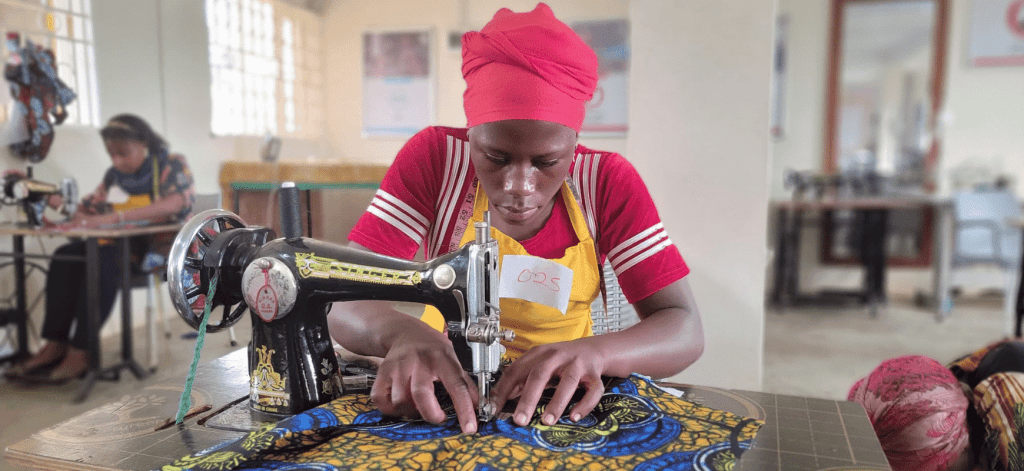
We have set up a tailoring course in Wakiso, Uganda, specifically for low-income women and single mothers. This program is structured over three terms, with each term welcoming 35 women for an intensive 240 hours of training. The curriculum blends hands-on practice with theoretical knowledge, ensuring participants become skilled tailors ready to take on the world of garment creation.

At the end of the course, participants sit exams accredited by the Uganda Ministry of Education and Sports. Those who pass receive a nationally recognised certificate, a powerful credential that opens doors to employment or entrepreneurial opportunities.

Why is This Course So Important?

In many parts of Uganda, particularly in low-income areas, women face significant barriers to finding stable, well-paying jobs. This economic challenge often limits their ability to provide for their families, affecting access to education, healthcare, and basic necessities. The tailoring course tackles this head-on by equipping women with a marketable skill that can generate a sustainable income.

Research suggests that when women earn an income, they invest heavily in their families’ well-being. For example, the extra money from tailoring can cover school fees, medical expenses, and better nutrition, directly improving living standards. Beyond economics, tailoring is a creative and fulfilling craft that allows women to express themselves while building confidence and independence. It’s also a skill that can be passed down to future generations, creating a legacy of self-sufficiency.

The impact doesn’t stop at the individual level. By empowering women, the course strengthens entire communities. As families gain financial stability, local economies benefit, and children have better opportunities to thrive. It’s a ripple effect that can transform lives for years to come.

Comprehensive Support for Success

We don’t just teach tailoring and send participants on their way. We provide a holistic support system to ensure long-term success. After completing the course, graduates receive assistance with job applications, helping them secure employment in the tailoring industry. For those with entrepreneurial ambitions, Time to Help supplies materials to start their own businesses, such as fabric and tools, along with financial resources to get them off the ground.

The cost of supporting one woman through this journey is surprisingly affordable. For instance, £300 covers a three-month training term, including tuition and supplies. An additional £25 per week ensures each participant has transport and meals, removing barriers to attendance. And for £100, Time to Help UK can provide a sewing machine, giving a graduate the tools to launch her own tailoring business. These figures highlight how even small donations can make a significant impact.

A Collaborative Effort

The tailoring course is a collaborative project, with Time to Help UK partnering with organisations like Time to Help Netherlands and Nile Humanitarian Development Agency to deliver the program. The training takes place at a vocational training centre in Wakiso, where experienced instructors guide participants through a rigorous curriculum. The course runs five hours a day, weekdays, balancing practical sewing techniques with theoretical lessons on garment construction and design. This structured approach ensures participants gain a deep understanding of the craft, preparing them for real-world challenges.

How You Can Get Involved

If this initiative inspires you, there’s a way to get involved! Time to Help UK welcomes donations to keep the tailoring course running and to expand its reach. Your contribution could fund training for a woman, provide her with a sewing machine, or cover her daily expenses during the course. Every little bit helps, and together, we can support more women in building brighter futures for themselves and their families. Visit the donation page to learn more about how you can make a difference.

A Bright Future for Uganda’s Women

Time to Help’s tailoring course is a shining example of how education and skill-building can transform lives. By empowering women with the ability to earn a living, the program is not only changing individual trajectories but also uplifting entire communities. It’s a reminder that small, targeted interventions can have far-reaching impacts, especially when they prioritise empowerment and sustainability.

Aspect Details
Location Wakiso, Uganda
Target Group Low-income women and single mothers
Duration Three terms, 240 hours per term
Participants per Term 35 women
Certification Nationally recognised by Uganda Ministry of Education and Sports
Support Provided Job applications, business startup materials, financial resources
Cost Breakdown £300 for training, £25/week for transport/meals, £100 for a sewing machine
Partners Time to Help Netherlands, Nile Humanitarian Development Agency

Until next time, stay inspired!

Shaping The Future

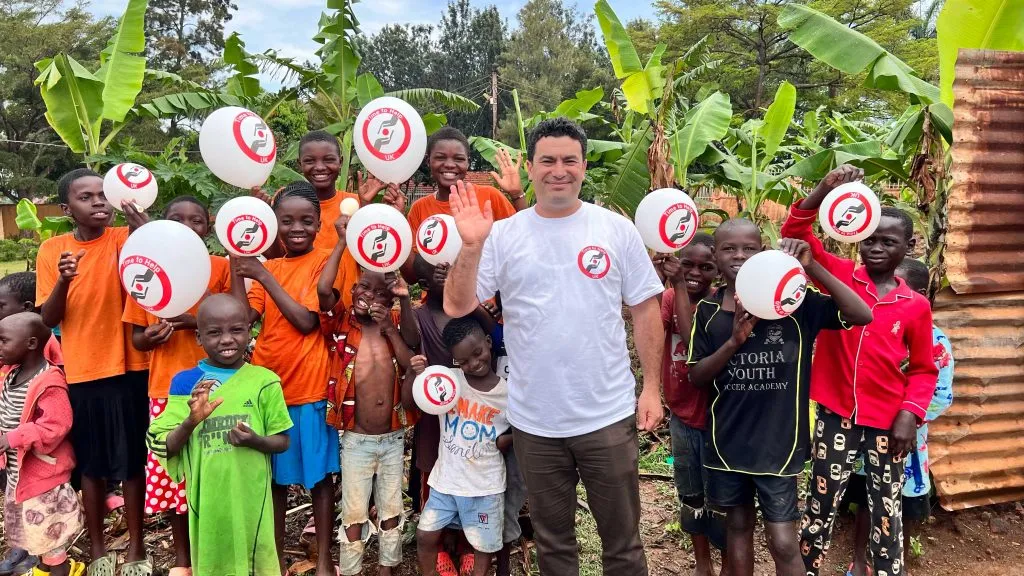
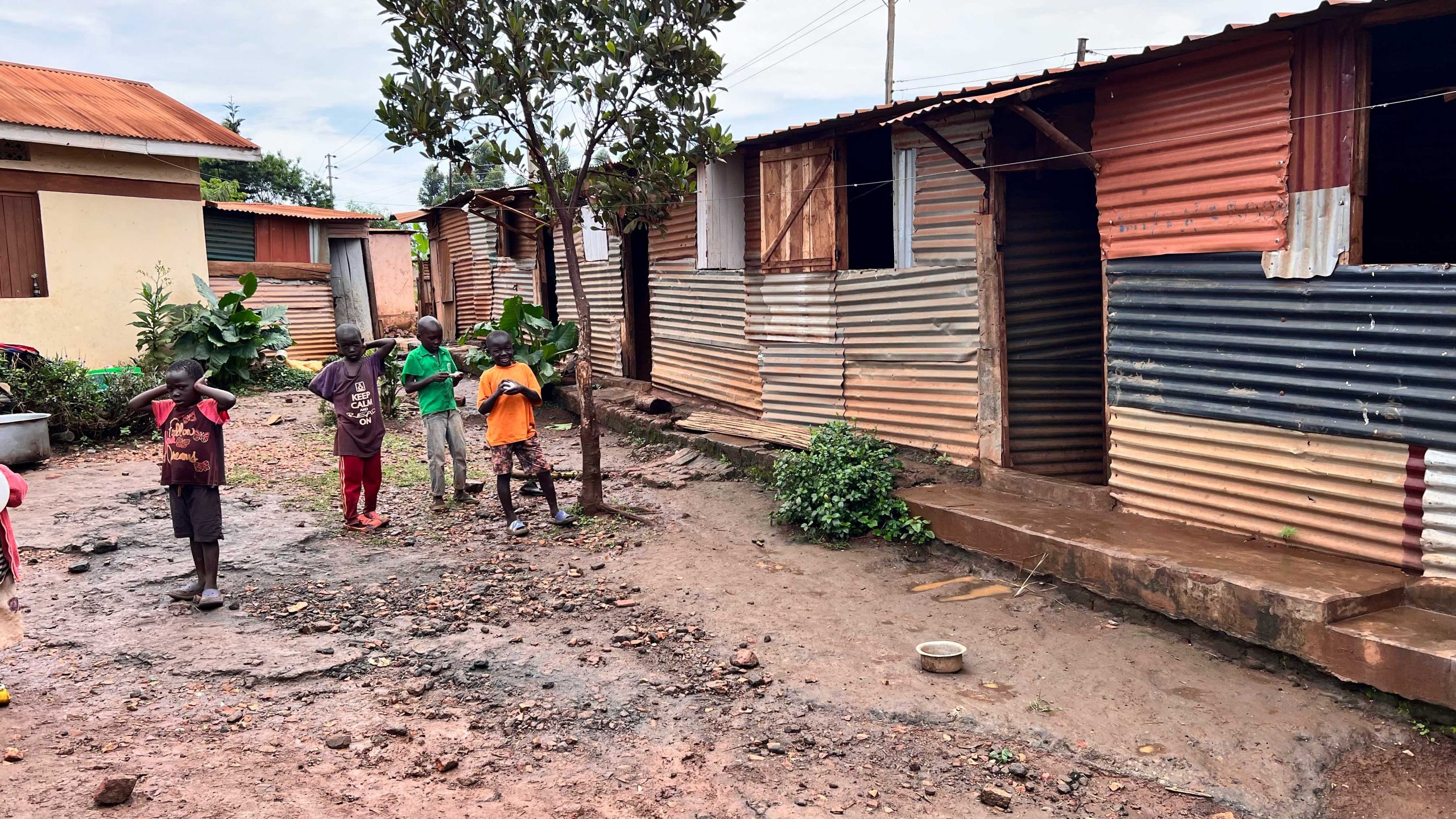
In a remote corner of Jinja, Uganda, lies the Wampa Orphanage—a place where approximately 30 children reside, each with their own unique story of hardship. Some have lost their parents, while others live separately from their families due to dire circumstances. The conditions in which these children live are far from ideal, with open and dilapidated bathrooms, overcrowded and inadequate sleeping arrangements, and a substandard cooking area. My recent visit to the Wampa Orphanage opened my eyes to the stark reality these children face daily, and it stirred a deep desire within me to make a positive difference in their lives.

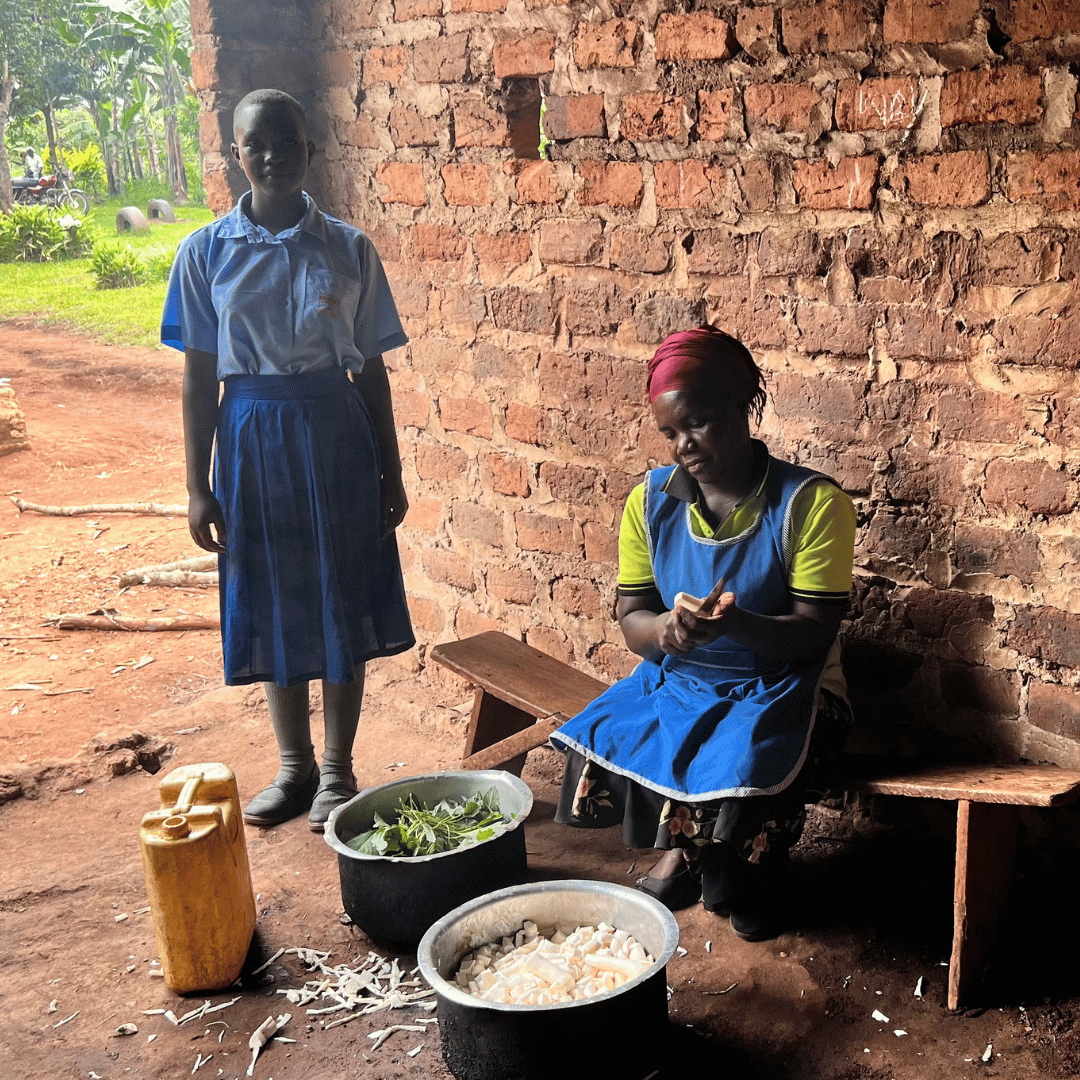
The Wampa Orphanage is a place where dreams are stifled by the harshness of life. It is heart-wrenching to see children forced to use bathrooms without doors, in deplorable conditions that lack the most basic sanitation and privacy. To compound their struggles, some of these children have to share a single bed due to the limited resources available, leading to disrupted sleep and discomfort. The cooking area further accentuates their adversity, with negative conditions that impact their health and well-being.


Living in such dire circumstances can have profound and lasting effects on the physical, emotional, and psychological well-being of these children. Lack of proper sanitation facilities puts them at risk of diseases, while overcrowded sleeping arrangements deprive them of the rest they desperately need for healthy growth and development. The inadequate cooking area compromises their nutrition, making it even more challenging for them to thrive.

My visit to the Wampa Orphanage left a lasting impression on me, and I am committed to taking action to improve the lives of these children. While I cannot change their past, I firmly believe that together, we can shape their future for the better. Here are some ways in which we can make a meaningful difference:

Improving Sanitation: The first step is to renovate and upgrade the bathrooms and toilets, providing the children with clean and private facilities that promote good hygiene and health.

Enhancing Sleeping Conditions: We can work on securing donations or funding to provide more beds, mattresses, and bedding to ensure that each child has a comfortable and safe place to sleep.

Revamping the Cooking Area: The cooking area can be transformed into a clean and efficient space, ensuring that the children receive nutritious meals daily.

The Wampa Orphanage in Jinja, Uganda, is home to children who deserve a chance at a better life. Witnessing their challenging living conditions has ignited a passion within me to make a difference. Together, with the support of generous individuals and organizations, we can bring hope, comfort, and a brighter future to these children. Let us join hands and work towards transforming the Wampa Orphanage into a place where dreams are nurtured, and the children can flourish despite their challenging circumstances.


Yusuf Celik
Head of İnternational Program Manager

Blessing’s Story

In the heart of Uganda, a remarkable young girl named Blessing is living a life that exemplifies resilience, determination, and the pursuit of dreams. At just 14 years old, Blessing is in year seven and aspires to become a scientist, but her journey is far from ordinary. She faces a daily challenge that most of us can hardly imagine – the lack of access to clean water.

Blessing’s dream of becoming a scientist is fuelled by her insatiable curiosity and thirst for knowledge. Despite the numerous obstacles in her path, she remains unwavering in her determination to achieve her dreams. She envisions a future where she can make a difference in her community and contribute to the scientific advancements of her country. But in order to pursue her education and dreams, Blessing faces a daily ordeal that many of us take for granted – fetching water.

For Blessing and countless other children in Uganda, access to clean water is a daily struggle. Instead of focusing solely on her studies and pursuing her passion for science, Blessing is burdened with the responsibility of carrying water for her school and home twice a day. This is not just a physical challenge but also a tremendous drain on her time and energy.

When I had the privilege of visiting Blessing’s school, I had the opportunity to experience her daily routine firsthand. Together, we carried containers filled with water from a distant source, and it was an eye-opening experience. The weight of the water felt heavy on my shoulders, and I could only imagine how challenging it must be for Blessing to do this every single day.

Carrying water with Blessing was a humbling experience that highlighted the importance of empathy. It allowed me to better understand the daily struggles that Blessing and many other young girls like her face in their pursuit of education and dreams. It also reinforced the significance of the work being done by organisations and individuals dedicated to improving access to clean water in Uganda and around the world.

Blessing’s story is a reminder that access to clean water is not just a basic necessity but a fundamental human right. It should not be a barrier to education or hinder the dreams and aspirations of young individuals like Blessing.

As we reflect on Blessing’s journey, we are called to action. We are responsible for supporting initiatives that aim to provide clean water to communities in need, ensuring that children like Blessing can focus on their education and chase their dreams without the burden of carrying water.

Blessing’s determination to become a scientist despite the daily water challenges she faces is truly inspirational. Her story reminds us of the resilience and strength that can be found in the most challenging circumstances. As we strive for a world where every child has access to clean water, let Blessing’s story serve as a beacon of hope and a testament to the power of dreams and determination. Together, we can help Blessing and others like her turn their dreams into reality.

Yusuf Celik

Head of International Programmes 

Yusuf Celik
Head of İnternational Program Manager

Time to Help (UK)