Make a Difference with Time to Help UK

Make a Difference with Time to Help UK


At Time to Help UK, we are dedicated to creating real change by working together and making small, meaningful actions count.


As a registered charity, we organise volunteer trips to countries such as Bosnia and Herzegovina, Indonesia, the Philippines, Uganda, Kenya, Tanzania, South Africa, and Chad, enabling individuals to contribute to vital projects in local communities.

From building schools and water wells to distributing hygiene products and supporting orphans, our programmes aim to address critical needs while encouraging cultural exchange and mutual understanding across borders.


What makes our trips ethical?

We believe in working alongside local communities, not overstepping them. No matter the destination, we partner with long-established, trusted organisations on the ground – often led by individuals from these communities or who have lived among them for decades.

These local partners deeply understand the needs of their communities and guide every step of our projects.


We also hire local labourers for all skilled and manual work, ensuring we never take away jobs or undervalue existing expertise.

We work collaboratively with our partners, ensuring we provide exactly what the recipients want rather than imposing what we think is best.

Volunteers will never be involved in tasks like building water wells or major construction, as we believe in empowering local professionals to carry out these projects sustainably and to the highest standards.


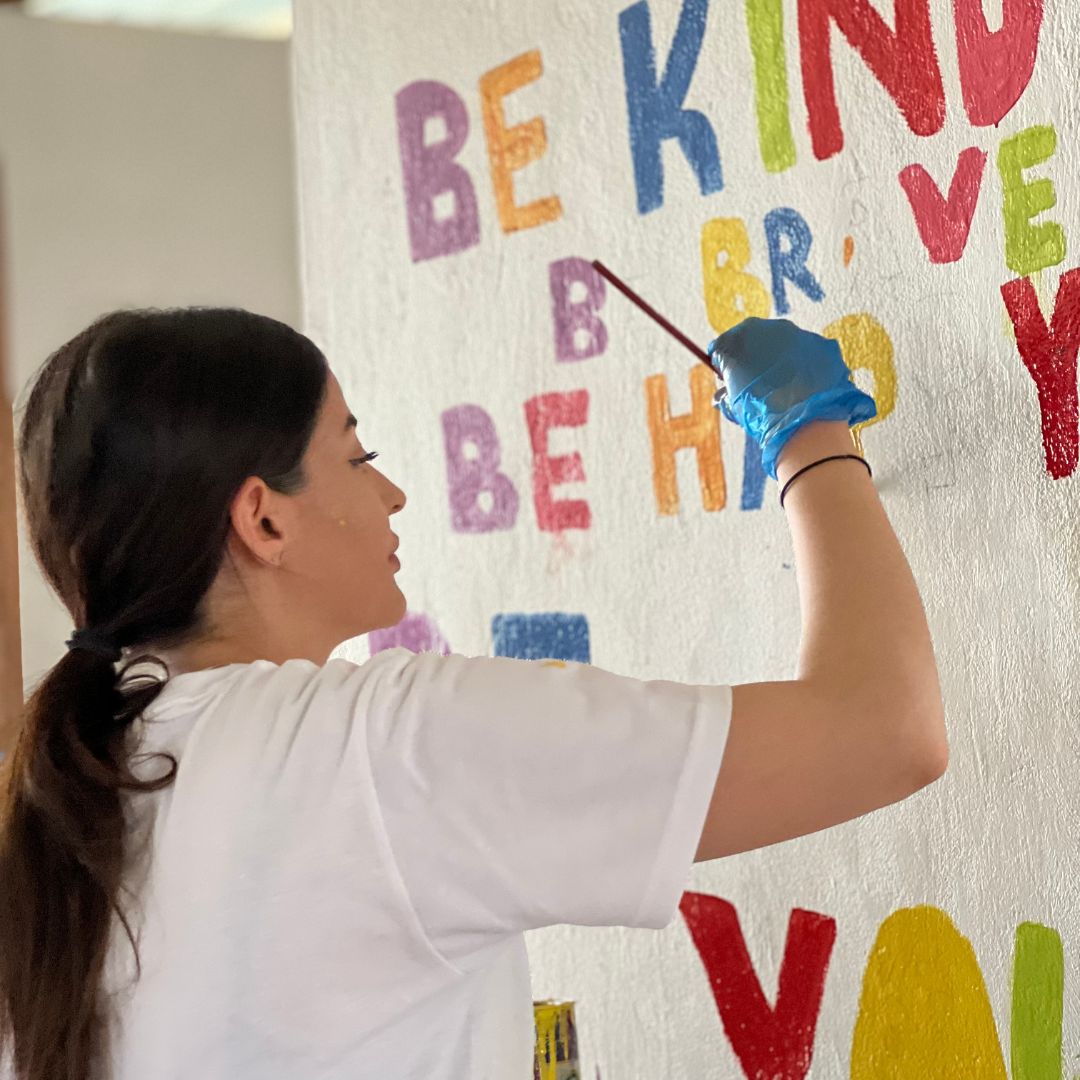
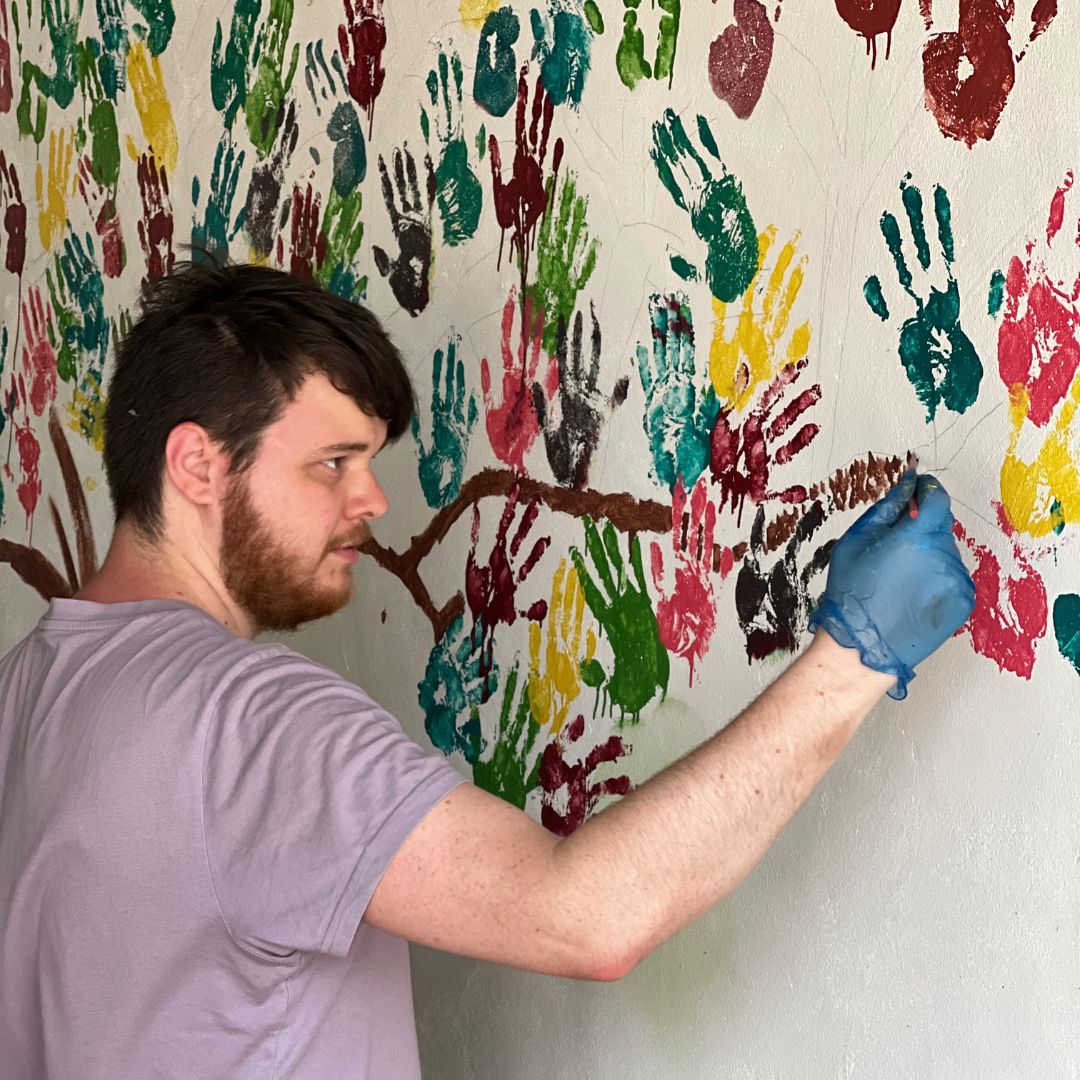
Instead, our volunteers focus on lighter tasks, such as painting, distributing toys, gifts, and food, and – most importantly – fundraising. These funds are the driving force behind our work, making it possible to deliver long-term, eco-friendly impacts.

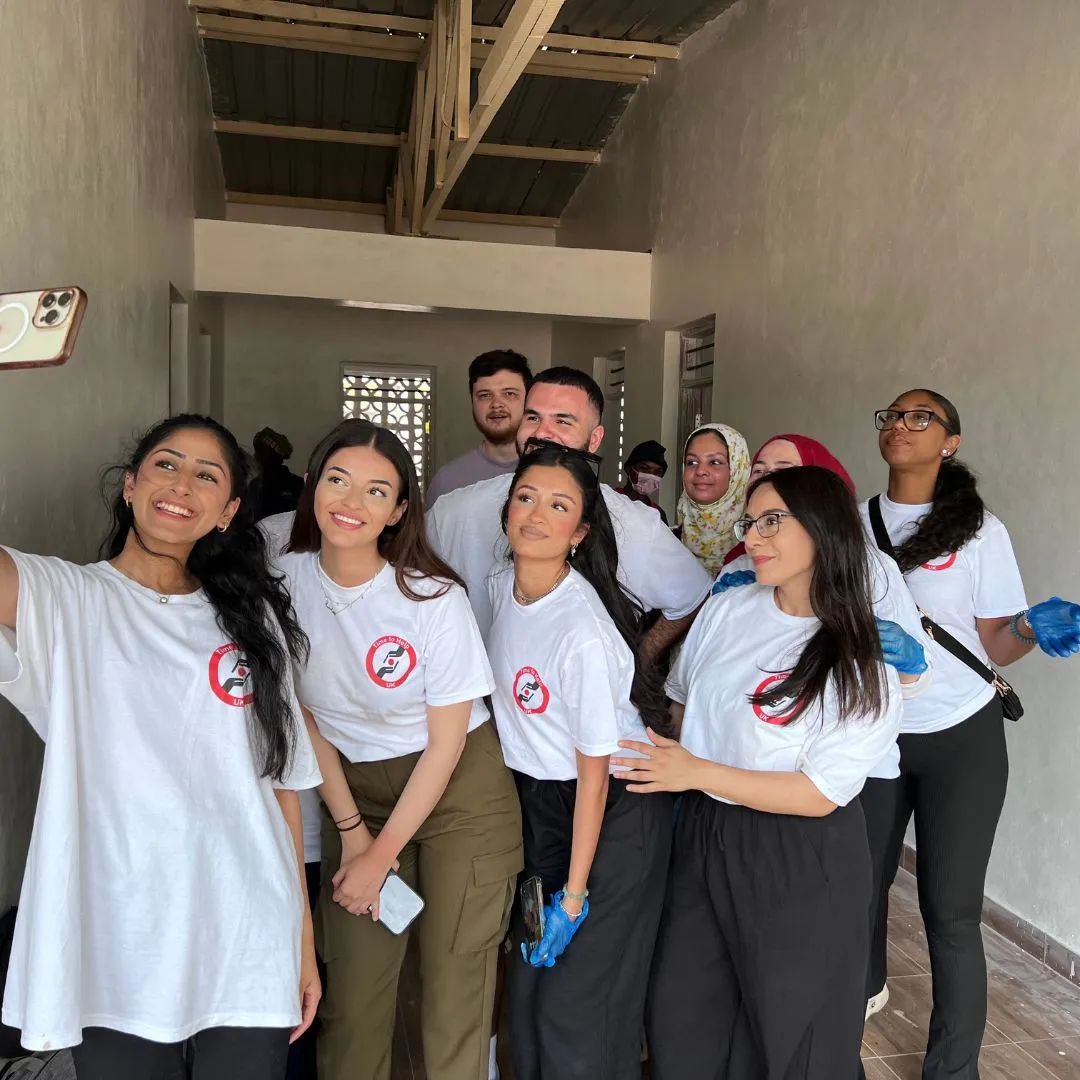
Our volunteers come from all over the world to take part and they gain invaluable skills and experiences along the way! These trips aren’t about changing someone’s life overnight. They’re about gaining a deeper understanding of how others live, developing empathy, and shifting your own approach to life towards greater selflessness.

While these trips have added bonuses – like experiencing local culture, food, and iconic landmarks- the heart of the experience lies in the connections you make with the communities you meet. It’s a mutual exchange: your efforts will leave a positive mark, and their resilience and stories will leave an even greater one on you.


Join us in creating a brighter future. Together, we can turn compassion into action.

Transforming Lives in Kenya: A Week of Impact with Time to Help

This May, our volunteers embarked on a powerful journey to Kenya. Witnessing the impact of our collective efforts firsthand was truly transformative.

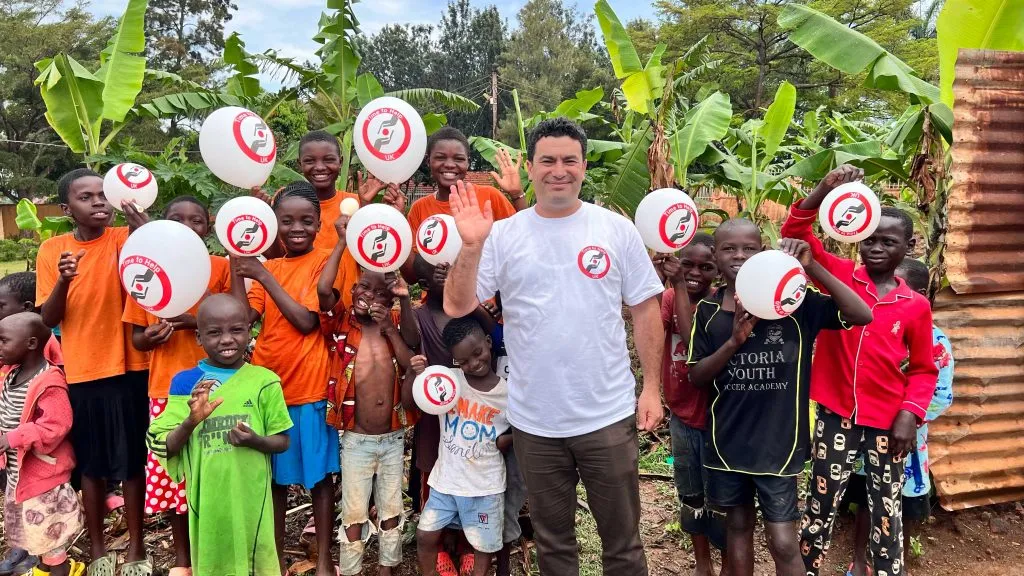
Building a Brighter Future for Neema Orphans. Our mission began at Neema Orphanage, where we brought joy to the children through games and activities. But the impact went beyond entertainment. Thanks to generous donors, we planned the construction of a new facility, aiming to provide these children with a brighter future.

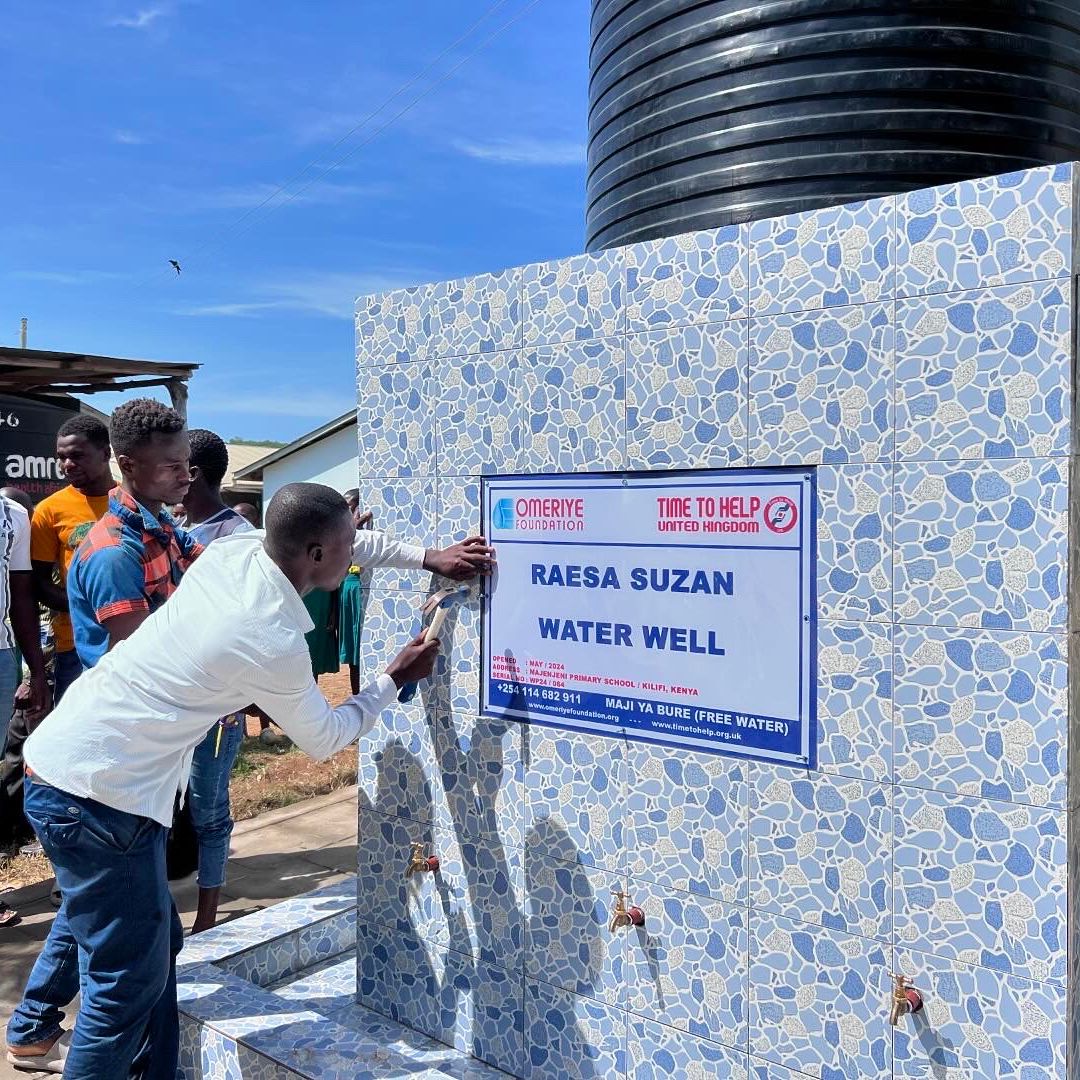
Clean Water: A Life-Changing Gift. A major milestone arrived with the opening ceremony of a new water well! Funded by our incredible supporters, this project will provide clean and safe water to Mjanaheri Primary School students, significantly improving their quality of life. The overwhelming gratitude from the locals solidified the importance of our work.

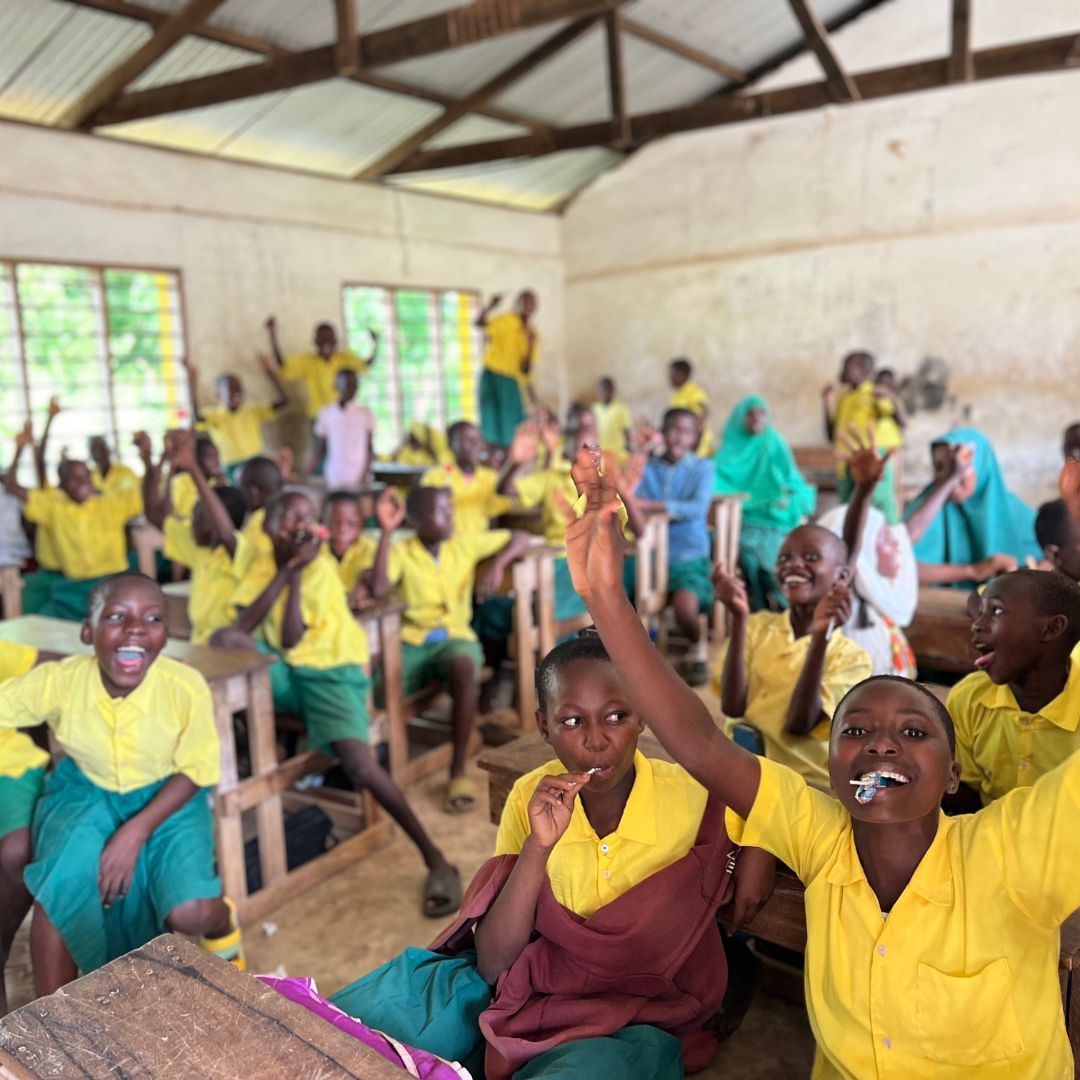
Empowering Education at Mtopanga Primary School. Shifting focus to education, we visited Mtopanga Primary School. Engaging activities sparked joy and a love for learning in the children. Recognising their needs, we also facilitated the inauguration of new special education unit, creating a more conducive learning environment for all students.

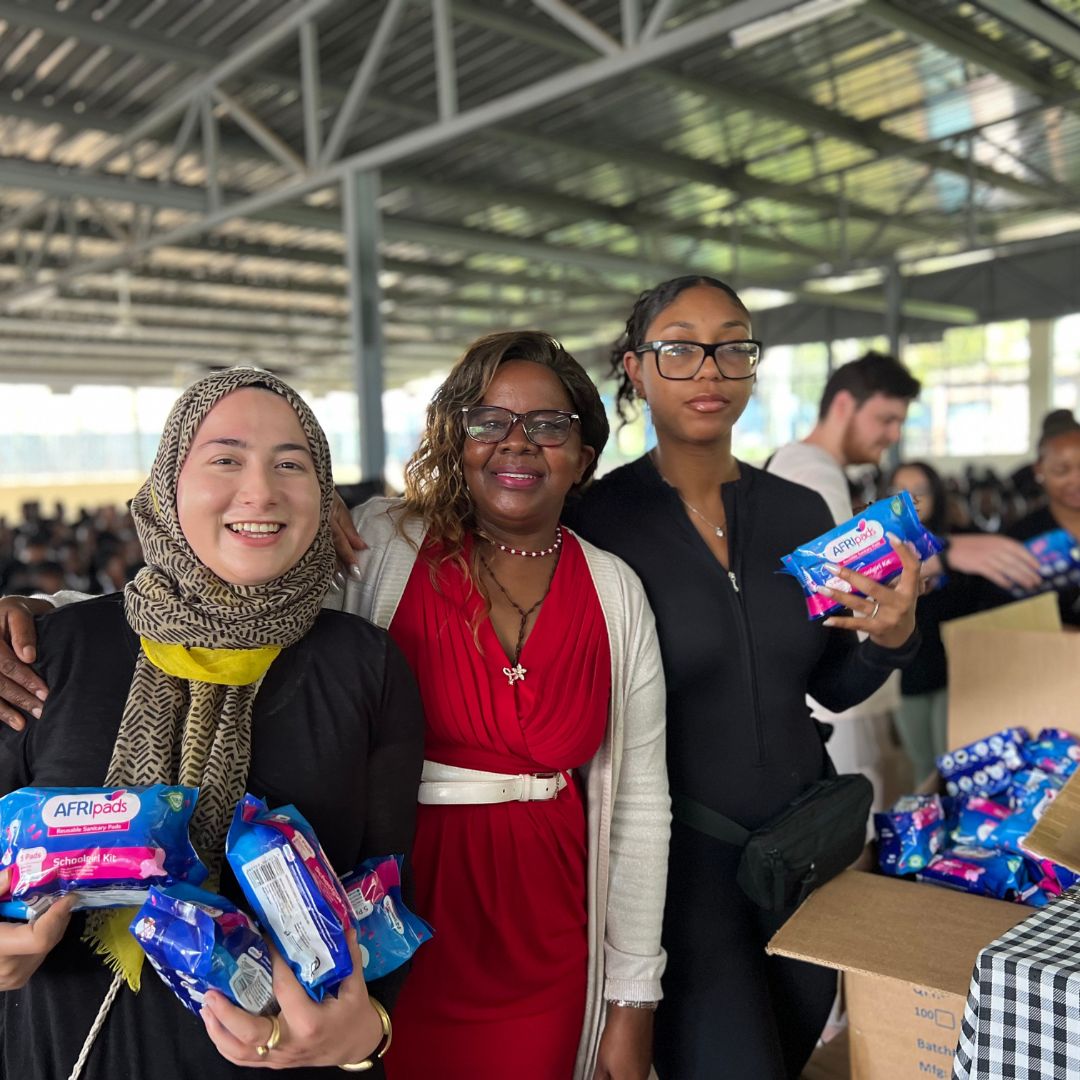
Addressing Period Poverty and Supporting Local Artisans. Our mission extended beyond physical projects. We addressed period poverty, a critical yet often overlooked issue, by distributing sanitary products to women in need. Additionally, shopping at the Galleria empowered local artisans in Nairobi.

Leisure Activities and Reflection. While our primary focus was charitable work, the trip also offered opportunities for cultural immersion and a touch of adventure. We explored the vibrant city center of Mombasa, engaged with locals, and witnessed the breathtaking beauty of the Bamboori Coral Gardens. Finally, a thrilling zipline adventure in the Rift Valley celebrated the spirit of resilience that drives our mission.

A Week of Lasting Impact. As we departed Kenya, a profound sense of accomplishment and renewed purpose filled us. This transformative week showcased the tangible impact we can achieve through collective action.

Join Us in Making a Difference. Time to Help is dedicated to creating lasting change by providing education, clean water, and health resources to communities in need. Our journey to Kenya is a powerful testament to this mission. We invite you to join us in bringing hope and resources to those who need them most. Together, we can build a brighter future, one life-changing project at a time.

Shaping The Future

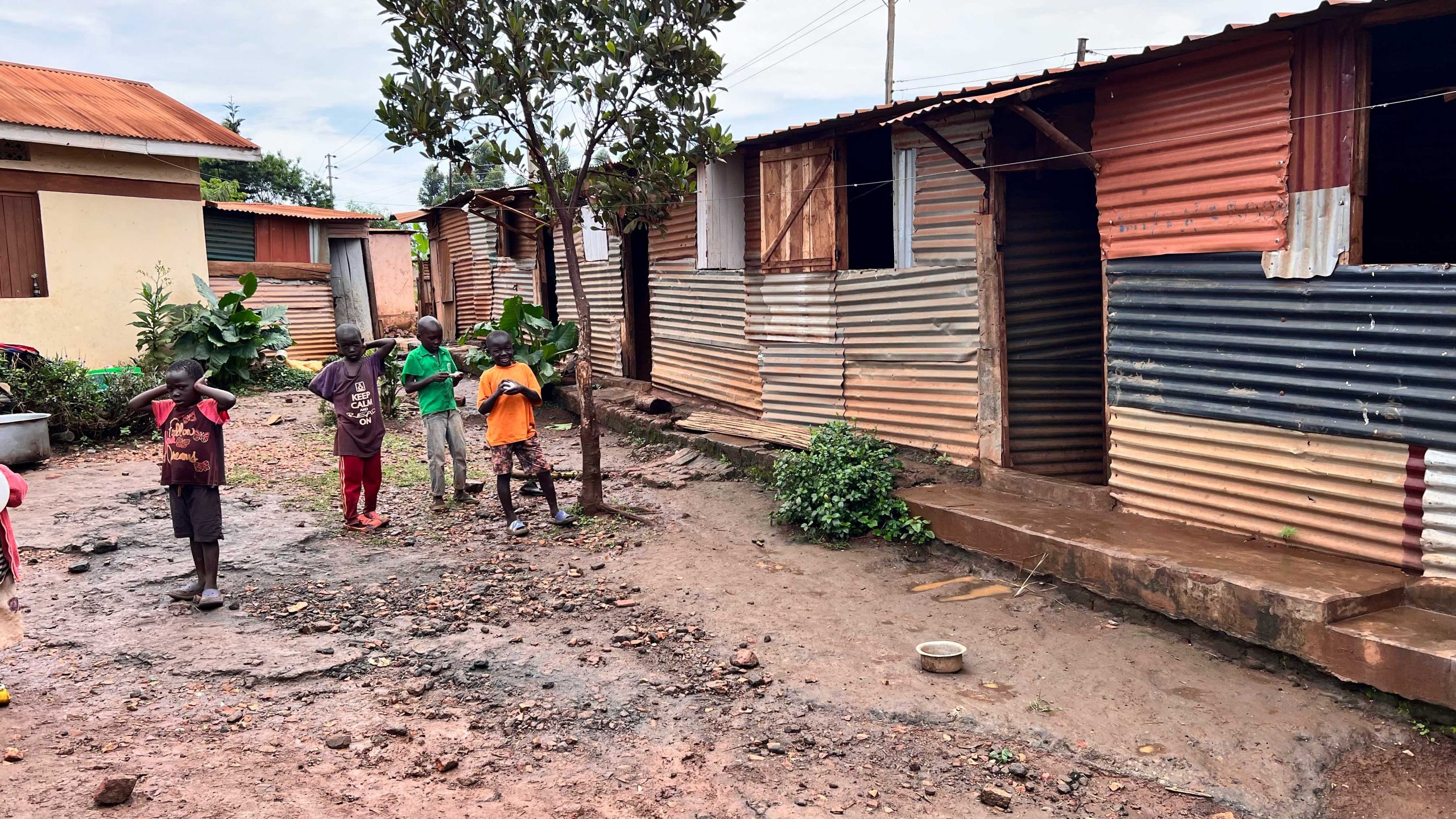
In a remote corner of Jinja, Uganda, lies the Wampa Orphanage—a place where approximately 30 children reside, each with their own unique story of hardship. Some have lost their parents, while others live separately from their families due to dire circumstances. The conditions in which these children live are far from ideal, with open and dilapidated bathrooms, overcrowded and inadequate sleeping arrangements, and a substandard cooking area. My recent visit to the Wampa Orphanage opened my eyes to the stark reality these children face daily, and it stirred a deep desire within me to make a positive difference in their lives.

The Wampa Orphanage is a place where dreams are stifled by the harshness of life. It is heart-wrenching to see children forced to use bathrooms without doors, in deplorable conditions that lack the most basic sanitation and privacy. To compound their struggles, some of these children have to share a single bed due to the limited resources available, leading to disrupted sleep and discomfort. The cooking area further accentuates their adversity, with negative conditions that impact their health and well-being.


Living in such dire circumstances can have profound and lasting effects on the physical, emotional, and psychological well-being of these children. Lack of proper sanitation facilities puts them at risk of diseases, while overcrowded sleeping arrangements deprive them of the rest they desperately need for healthy growth and development. The inadequate cooking area compromises their nutrition, making it even more challenging for them to thrive.

My visit to the Wampa Orphanage left a lasting impression on me, and I am committed to taking action to improve the lives of these children. While I cannot change their past, I firmly believe that together, we can shape their future for the better. Here are some ways in which we can make a meaningful difference:

Improving Sanitation: The first step is to renovate and upgrade the bathrooms and toilets, providing the children with clean and private facilities that promote good hygiene and health.

Enhancing Sleeping Conditions: We can work on securing donations or funding to provide more beds, mattresses, and bedding to ensure that each child has a comfortable and safe place to sleep.

Revamping the Cooking Area: The cooking area can be transformed into a clean and efficient space, ensuring that the children receive nutritious meals daily.

The Wampa Orphanage in Jinja, Uganda, is home to children who deserve a chance at a better life. Witnessing their challenging living conditions has ignited a passion within me to make a difference. Together, with the support of generous individuals and organizations, we can bring hope, comfort, and a brighter future to these children. Let us join hands and work towards transforming the Wampa Orphanage into a place where dreams are nurtured, and the children can flourish despite their challenging circumstances.


Yusuf Celik
Head of İnternational Program Manager

My Personal Journey with Time to Help

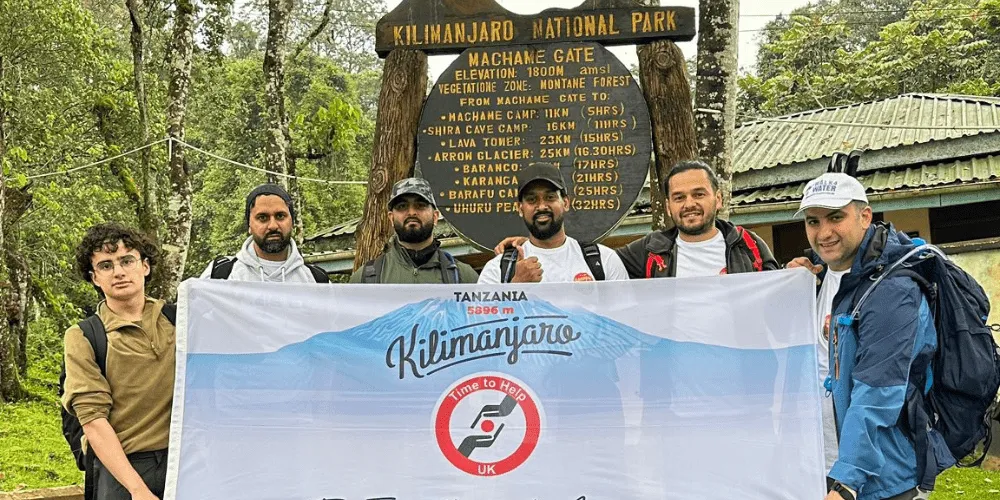
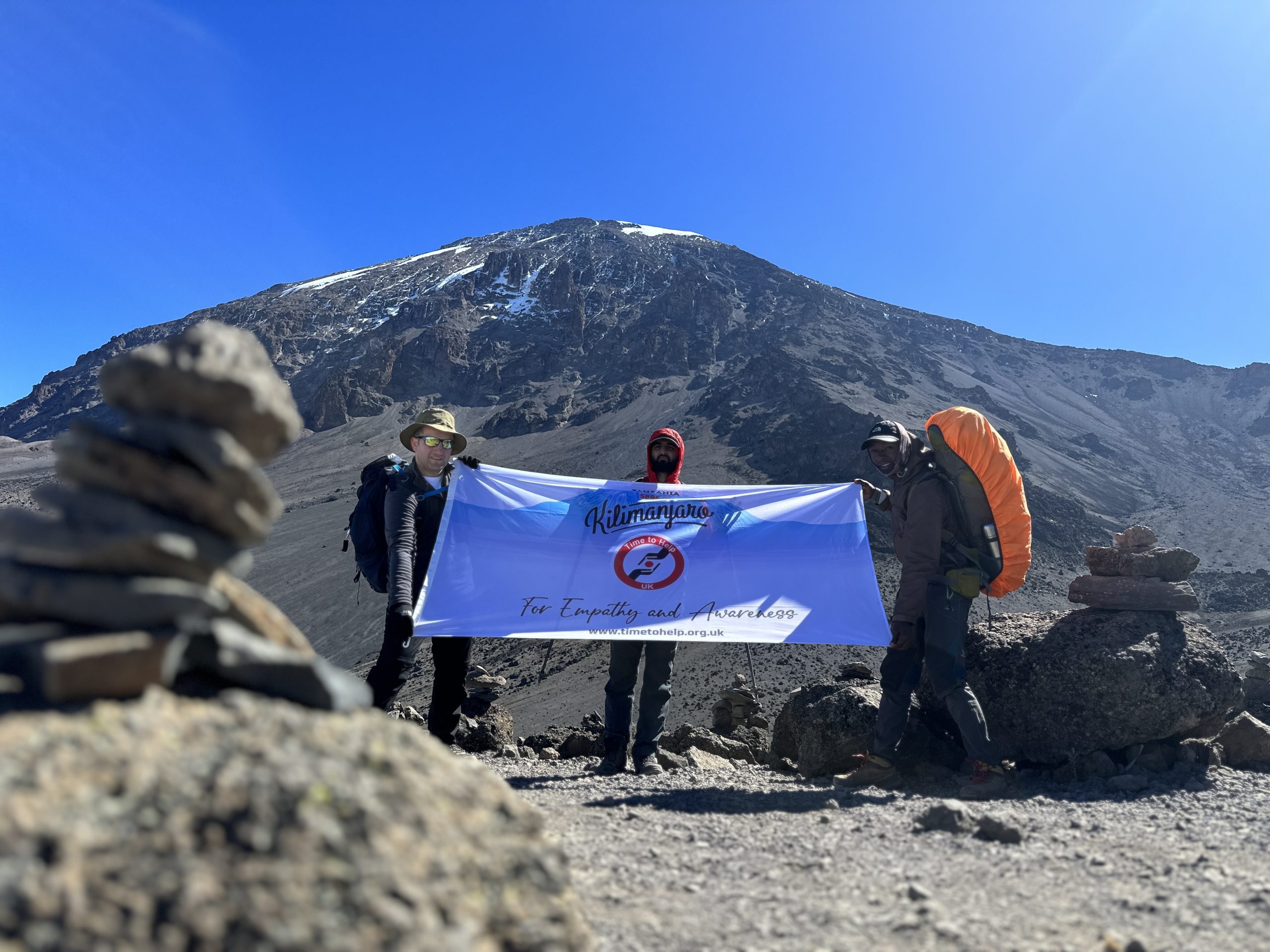
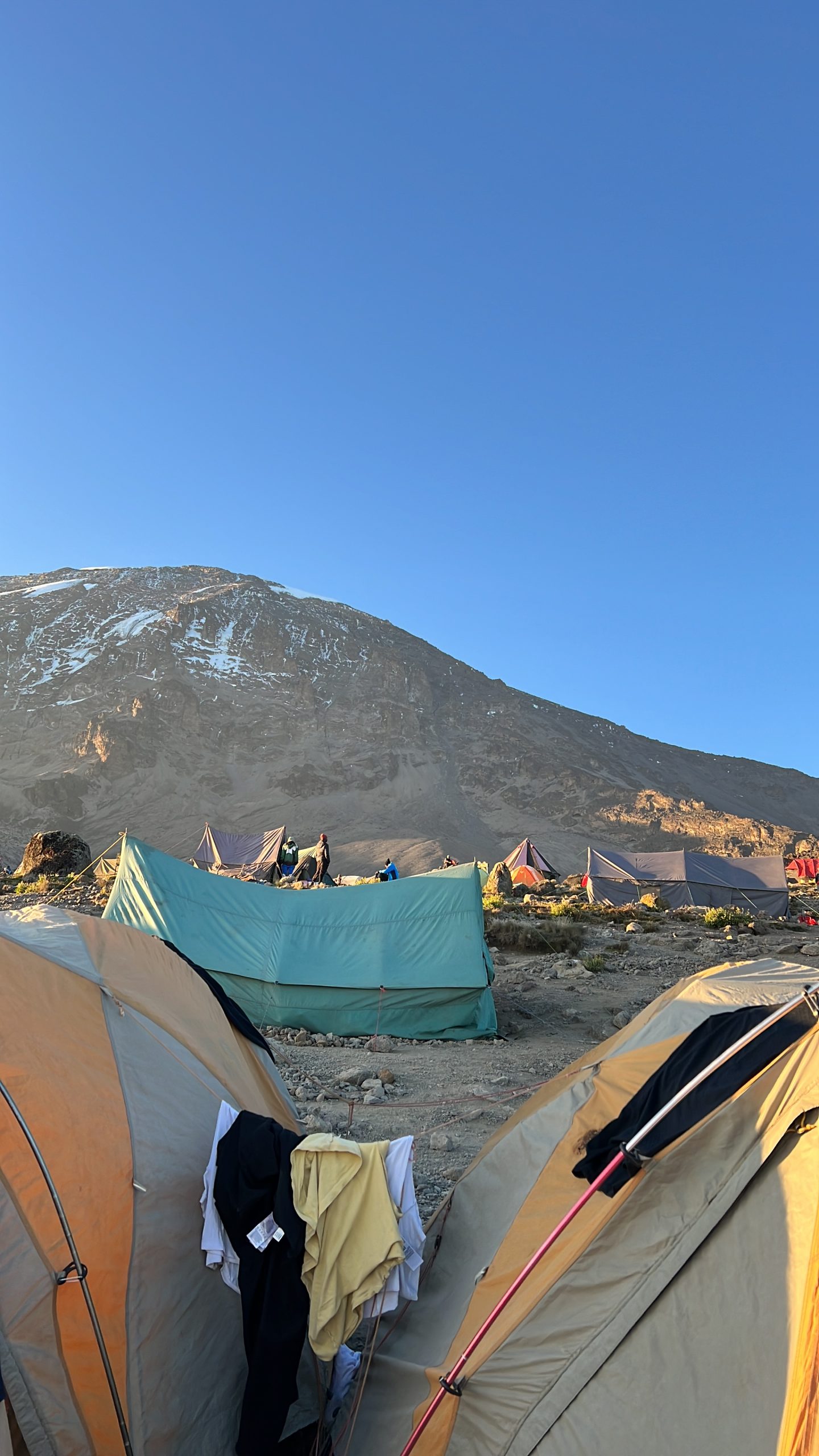
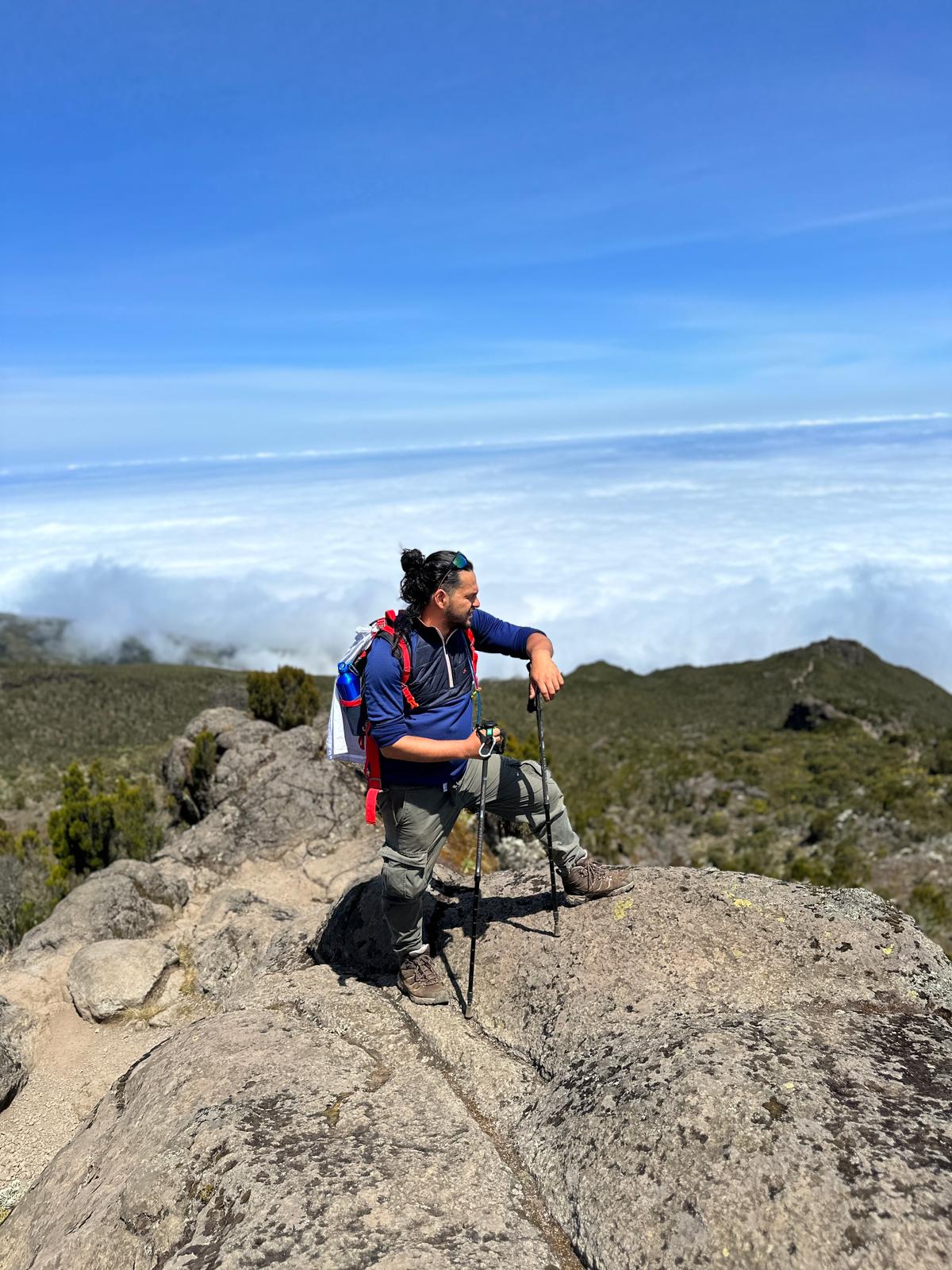
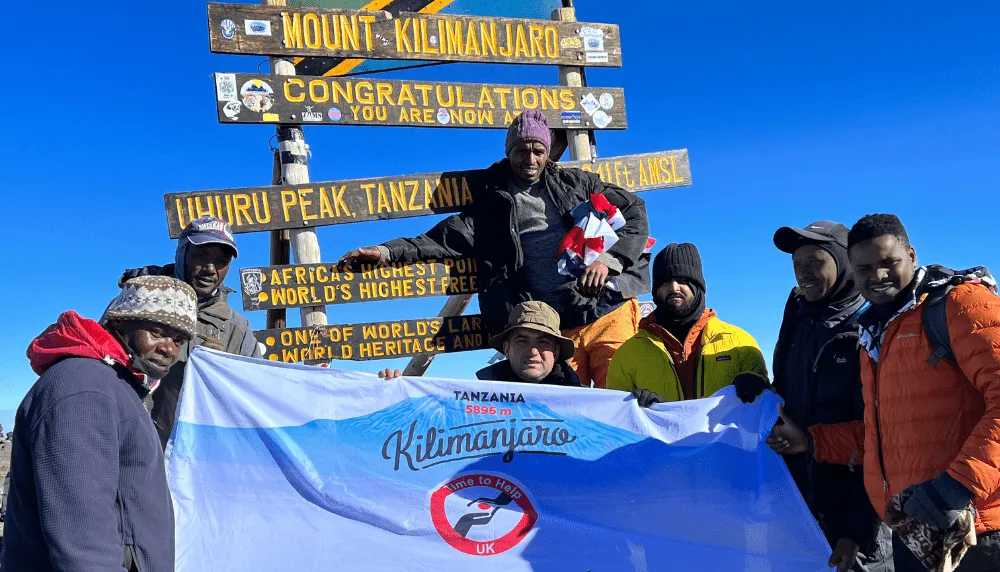
This July, I joined a team of seven other dedicated staff and volunteers from Time to Help (UK). Our mission was ambitious, to scale the highest peak in Africa – Mount Kilimanjaro. This wasn’t just a physical challenge but a journey to raise awareness and funds for those in need in Tanzania and wider East Africa.

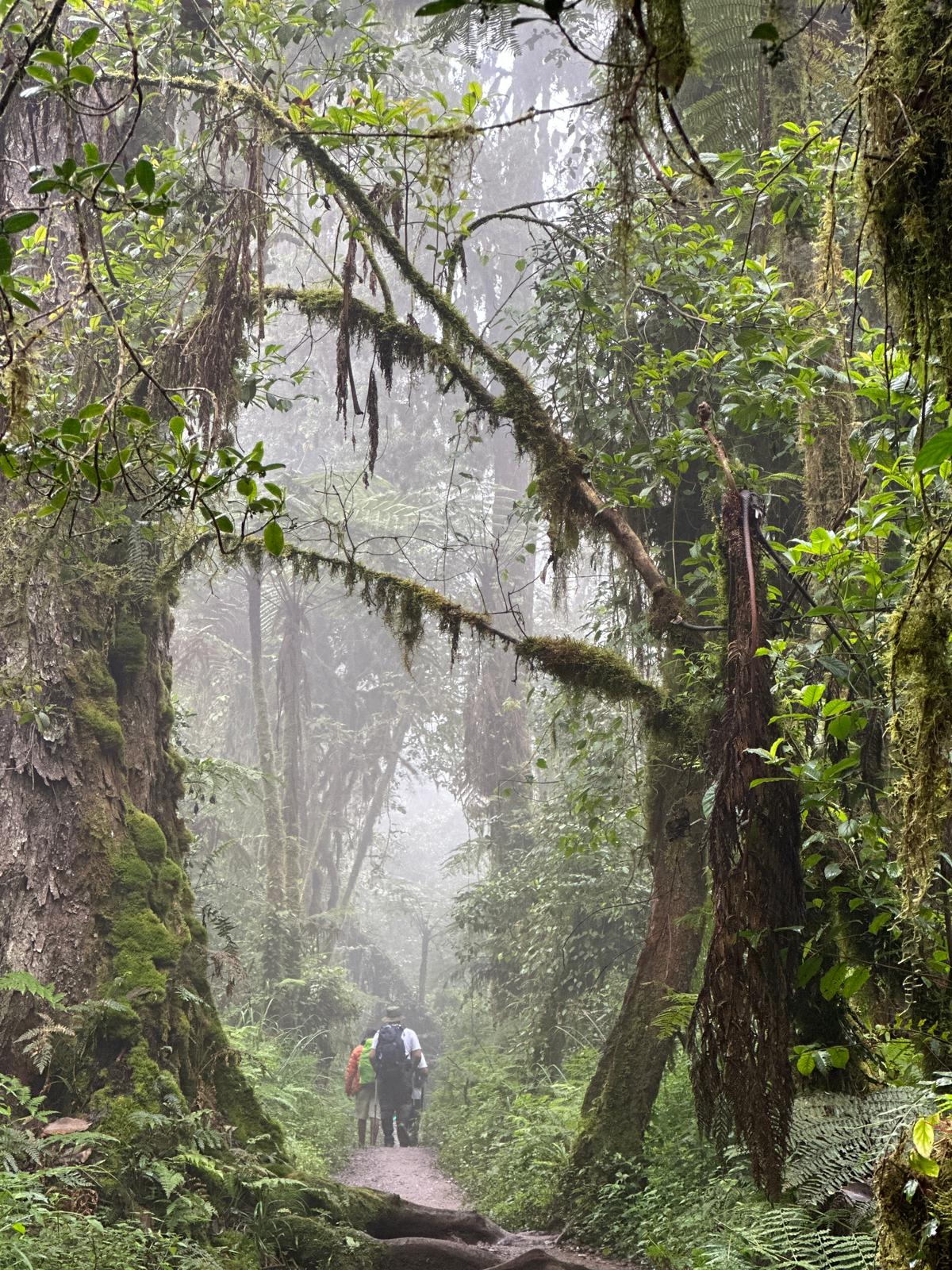
Time to Help is a unique charity that combines social activities with aid efforts, offering alternative programmes to young people. Our trek to the summit of Mount Kilimanjaro took seven gruelling days. The path was steep, the weather unpredictable, and the altitude a constant test of our endurance. But with every step, we were reminded of the purpose of our journey, and it was this purpose that fuelled our resolve to reach the peak.

Along the way, we forged new friendships, shared stories, and supported each other through the most challenging moments. We were more than just a team; we became a family united by our shared commitment to making a difference.

Our climb was not just about conquering a mountain but about shining a light on the difficult living conditions faced by many in Tanzania and the wider East Africa region. Our efforts bore fruit as we raised an impressive £40,000 through a fundraising drive. A significant portion of these funds is now fuelling a bakery project, providing essential daily bread for individuals affected by the ongoing war in Yemen.

But our journey didn’t end at the summit. We travelled to Dar Es Salaam, Tanzania, where we sponsored and actively participated in renovating an orphanage for young children. We inaugurated four water wells, providing drinking water for approximately 9,000 people. We also supported ten girls attending a government school in Bagamoyo who currently need more financial means to stay in the dormitory.

The experience was a stark reminder of the power of collective action. Participating in charity challenges like this pushes us out of our comfort zones and allows us to contribute to meaningful change. It’s about more than just the physical challenge; it’s about using our abilities and resources to make a difference in the world.

The dedication, resilience, and selflessness of my fellow volunteers from Time to Help UK were truly inspiring. We didn’t just climb a mountain; we moved mountains of obstacles to bring about positive change, one act of kindness at a time.

If you also want to challenge yourself and be part of the change click this link to volunteer. Together, we can make a difference.

YK
COO

Why so many people struggle to access clean water?

It seems incredible that it’s 2021 and there’s still 773 million people around the world who don’t have access to clean water — a basic human right that no one can live without.

Four reasons why people don’t have access to clean water:
1.) Lack of infrastructure and poor management of services.

Efforts have been made to reach more people with more water. However governments need to do more in ensuring water supplies are sustainable and commit to improving infrastructure.

2.) Poverty and inequality

Access to water, sanitation, and hygiene are a basic human right and yet some people are still unable to access these services due to their ethnicity, gender, social status, disability or inability to afford the high costs.

3.) Climate change

Climate change and an increase in unpredictable and extreme weather is a growing challenge. Long periods of drought affect clean water supplies while flooding can pollute clean water sources and cause outbreaks of disease.

4.) Population increase

The world’s population is predicted to grow to 8.5 billion by 2030 and 9.7 billion by 2050. This is going to create a high demand and put a strain on already scarce and fragile water sources.

Can you imagine living without water? No, because that would be impossible. Here’s what happens when your water source is insecure and unsafe.

Three ways a lack of access to clean water impacts on the poor:
1.) Women and Girls

In many communities girls are tasked with collecting the households water. If supplies are scarce or the community is isolated it means girls are spending hours of their day to walk great distances to collect water from streams, rivers and unprotected wells. This means less time for paid work and going to school.

2.) Livelihood

Rural communities who rely on farming for their livelihoods are the most vulnerable to climate change and water shortages. Increased temperatures, changes in season, and prolonged dry spells affect crops and livestock and therefore a person’s ability to earn a living.

3.) Health

As the effects of climate change and rising temperatures increase, so does the prevalence of waterborne diseases such as cholera and trachoma. The World Health Organisation also warns that incidences of mosquito-borne diseases such as malaria and dengue will also rise. Another impact of unsafe water, inadequate sanitation and poor hygiene is malnutrition. In fact up to 50% of malnutrition cases are said to be a result of this.

Continue reading